InfiniteDiffusion: Bridging Learned Fidelity and Procedural Utility for Open-World Terrain Generation
SIGGRAPH 2026
For decades, procedural worlds have been built on procedural noise functions such as Perlin noise, which are fast and infinite, yet fundamentally limited in realism and large-scale coherence. Conversely, diffusion models offer unprecedented fidelity but remain generally confined to bounded canvases. We introduce InfiniteDiffusion, a training-free algorithm that reformulates diffusion sampling for lazy and unbounded generation, bridging the fidelity of diffusion models with the properties that made procedural noise indispensable: seamless infinite extent, seed-consistency, and constant-time random access. To demonstrate the utility of this approach, we present Terrain Diffusion, a framework for learned procedural terrain generation with a procedural noise-like interface. Our framework outpaces orbital velocity by 9 times on a consumer GPU, enabling realistic terrain generation at interactive rates. We integrate a hierarchical stack of diffusion models to couple planetary context with local detail, a compact Laplacian encoding to stabilize outputs across Earth-scale dynamic ranges, and an open-source infinite-tensor framework for constant-memory manipulation of unbounded tensors. Together, these components position diffusion models as a practical foundation for the next generation of infinite virtual worlds.
Until now, content generation has faced a fundamental trilemma: infinite extent, stateless generation, and learned realism - pick any two. Diffusion models achieve realism but are bounded. Classical procedural noise is infinite and stateless, but cannot learn. Auto-regressive outpainting allows learned unbounded generation, but requires a shared global state that precludes determinism and random access.
InfiniteDiffusion breaks this trilemma, transforming any diffusion model into an infinite, logically stateless array, indexed only by seed and coordinates, supporting O(1) random access, full determinism, and embarrassing parallelism. It internally uses only a bounded LRU cache as a performance optimization. No persistent or external state.
InfiniteDiffusion achieves this by generalizing MultiDiffusion for infinite or larger-than-memory domains, acting as a drop-in replacement that reformulates the diffusion process as a lazy computation that generates only the region you request, when you request it.
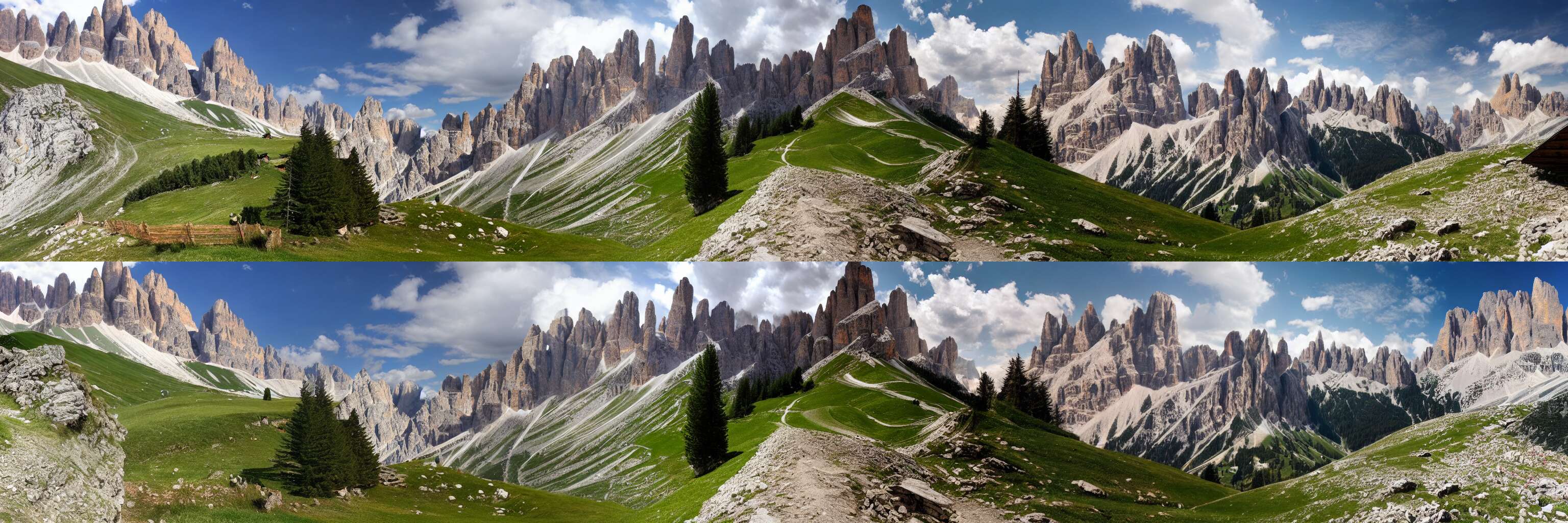
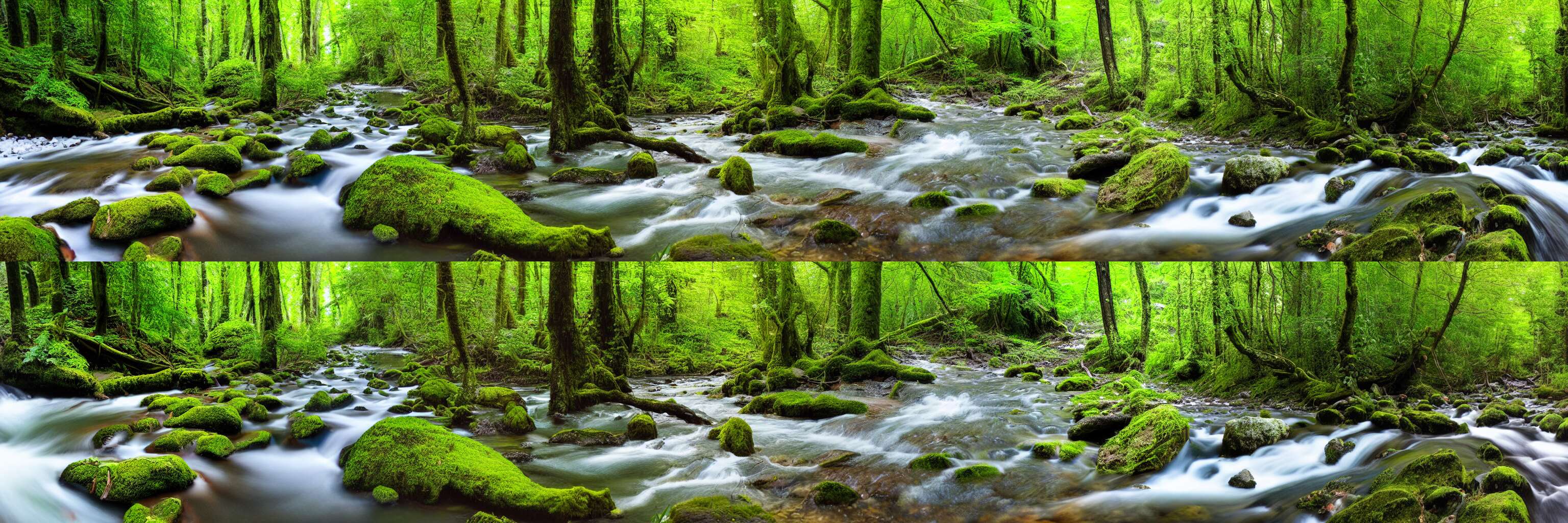
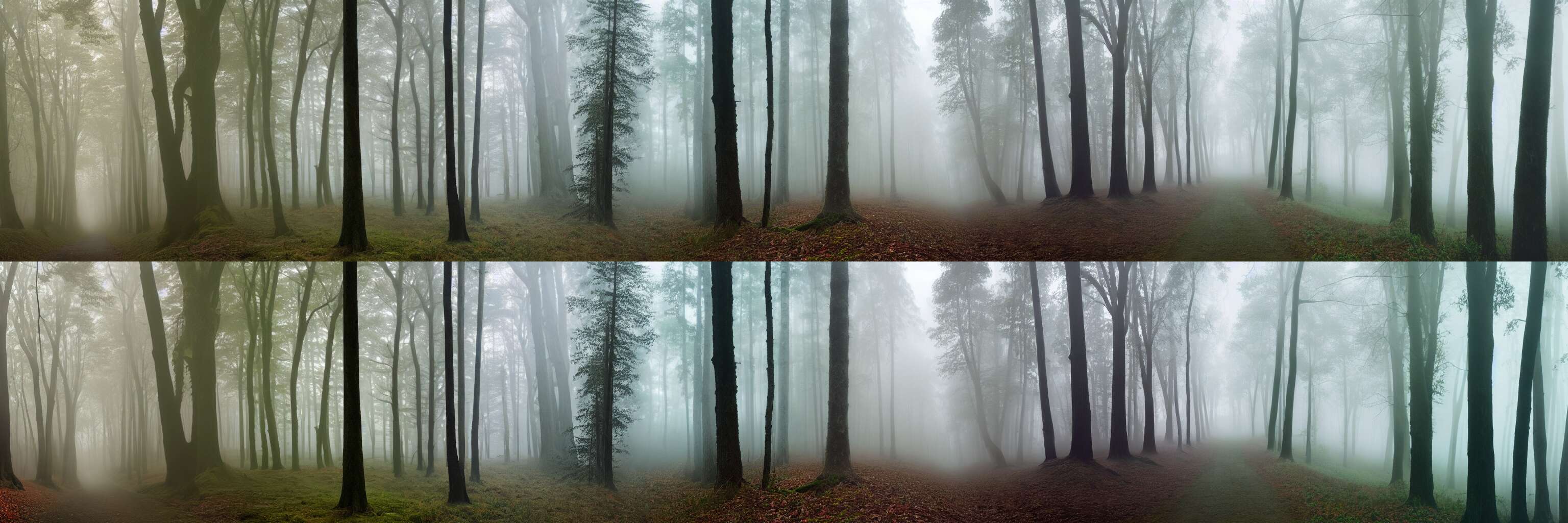
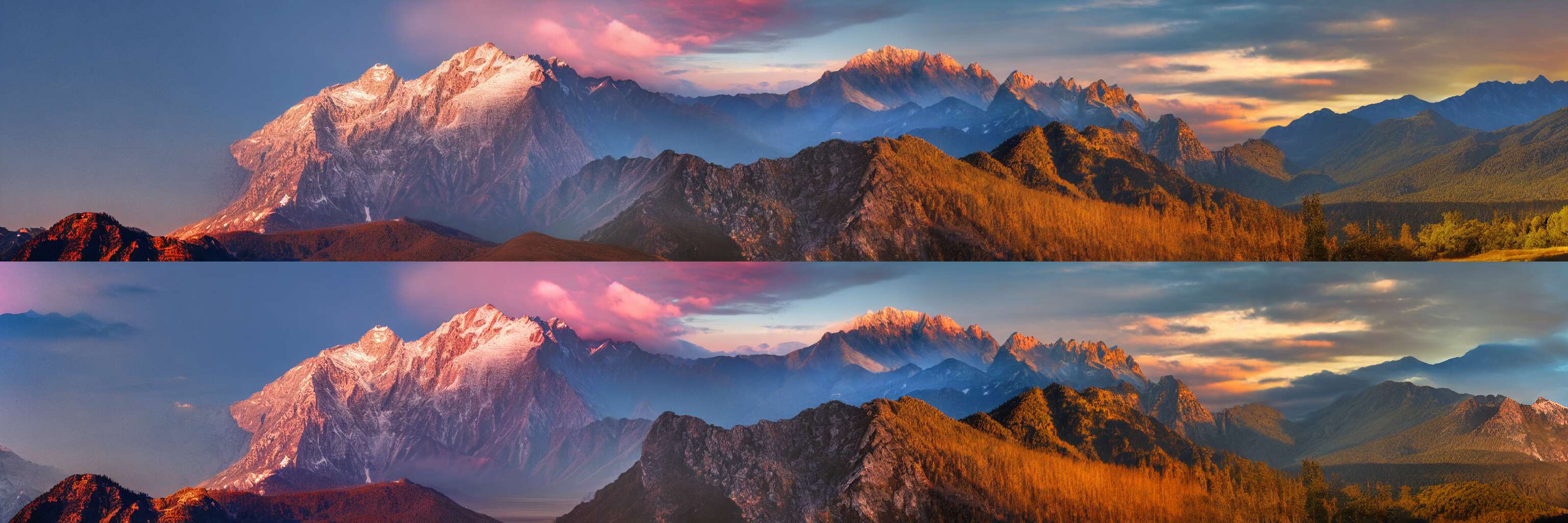
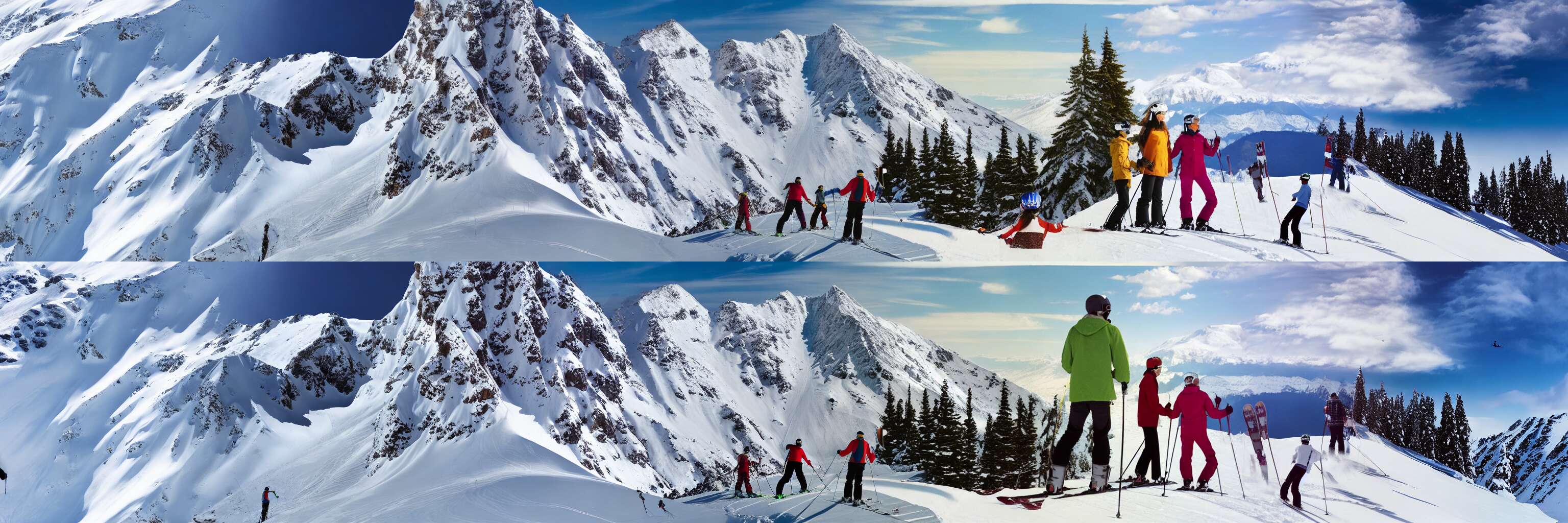
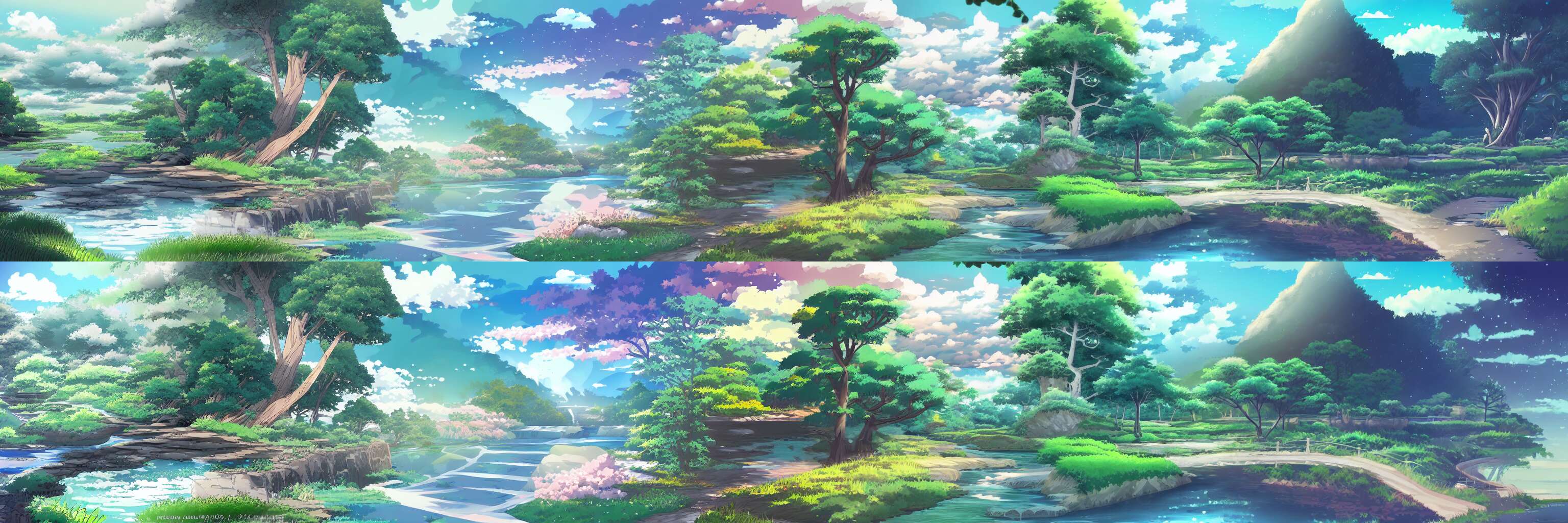
Each image below compares MultiDiffusion (top), which operates over a pre-defined, eagerly-generated, and bounded canvas, with InfiniteDiffusion (bottom), which imposes no such bounds. InfiniteDiffusion introduces little to no quality degradation compared to MultiDiffusion, while providing the benefits of infinite, stateless, and lazy generation.

The only competing paradigm for unbounded or lazy generation is auto-regression, which carries fundamental limitations that InfiniteDiffusion avoids entirely:
| Auto-Regression | InfiniteDiffusion | |
|---|---|---|
| Random Access | O(n) | O(1) |
| Determinism | No; Order-dependent | Yes; Order-invariant |
| Errors | Compound | No compounding |
| Parallelization | Sequential | Embarrassingly parallel |
| State | Global | Functionally Stateless |
| Training-free | No | Yes |
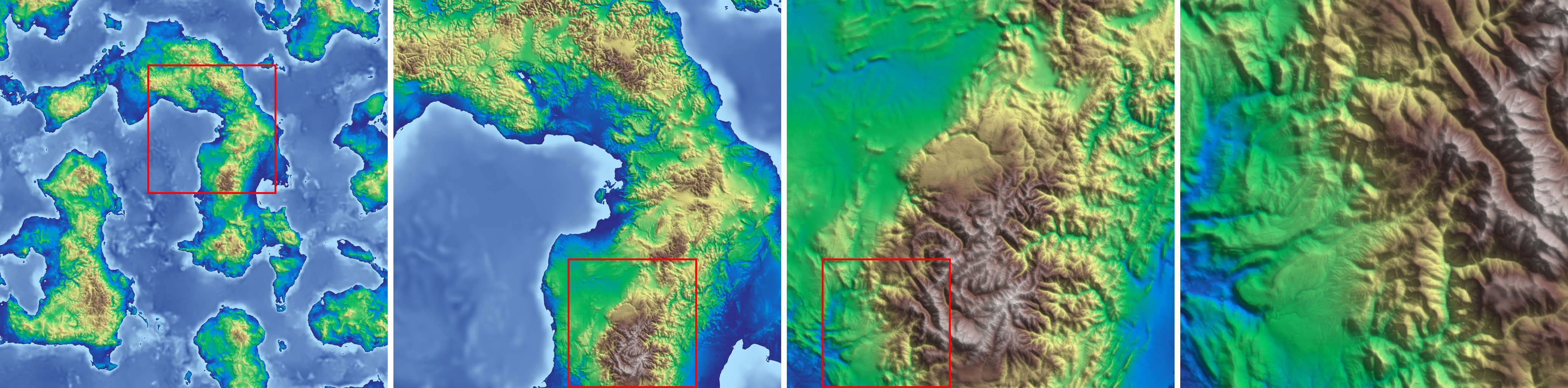
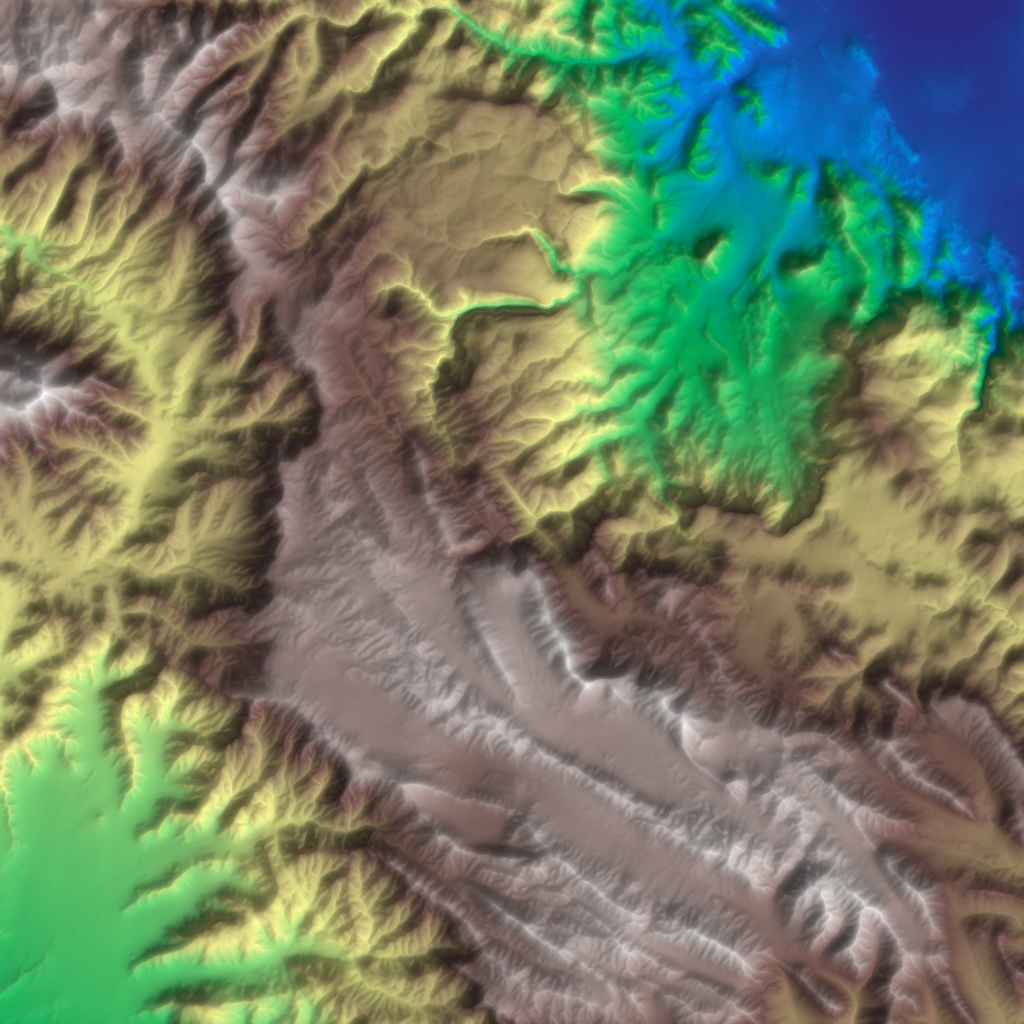
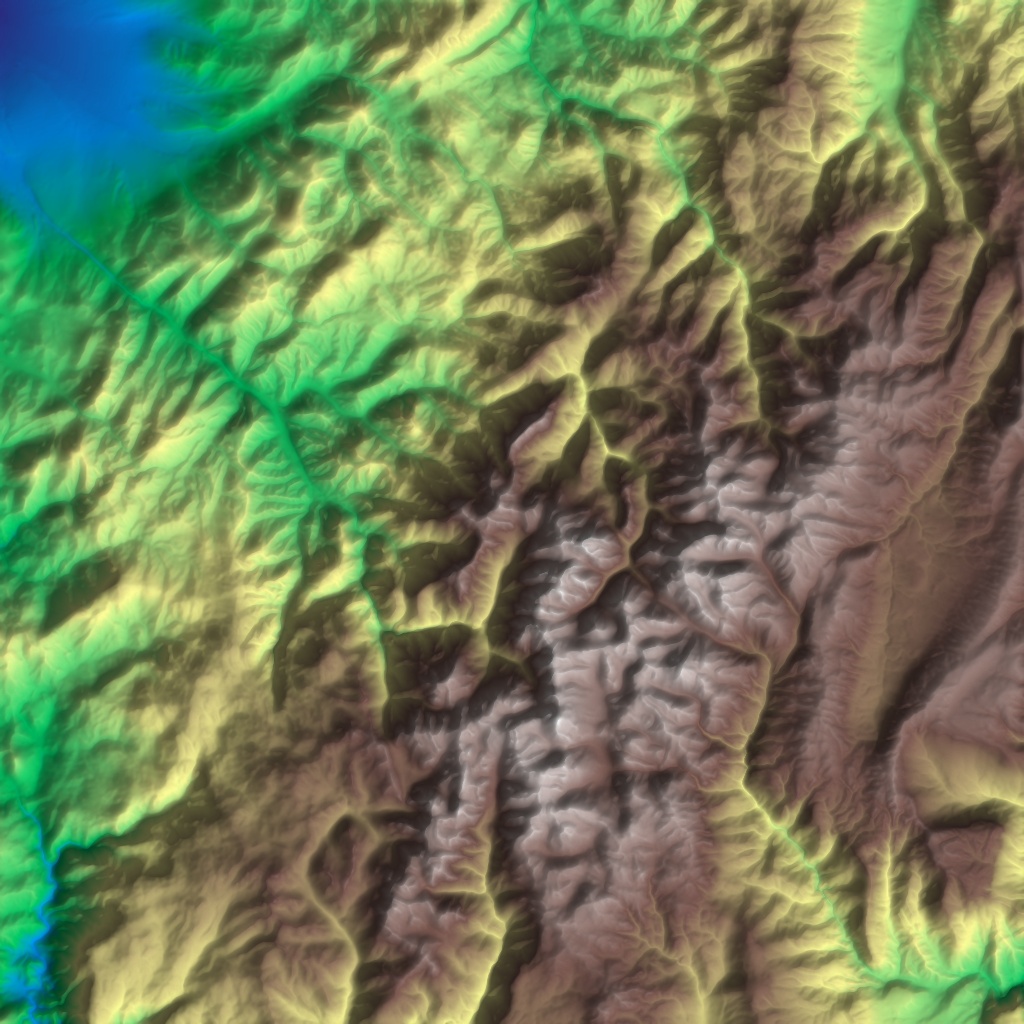
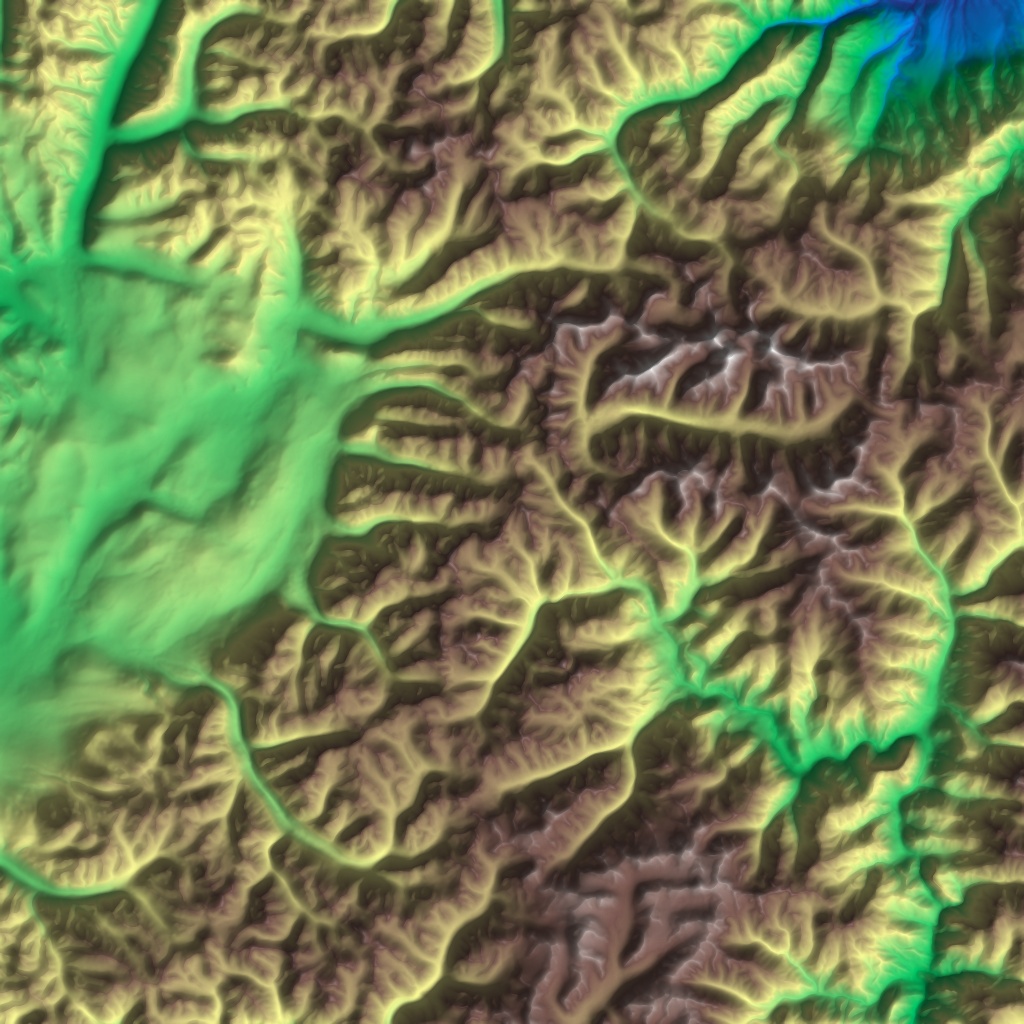
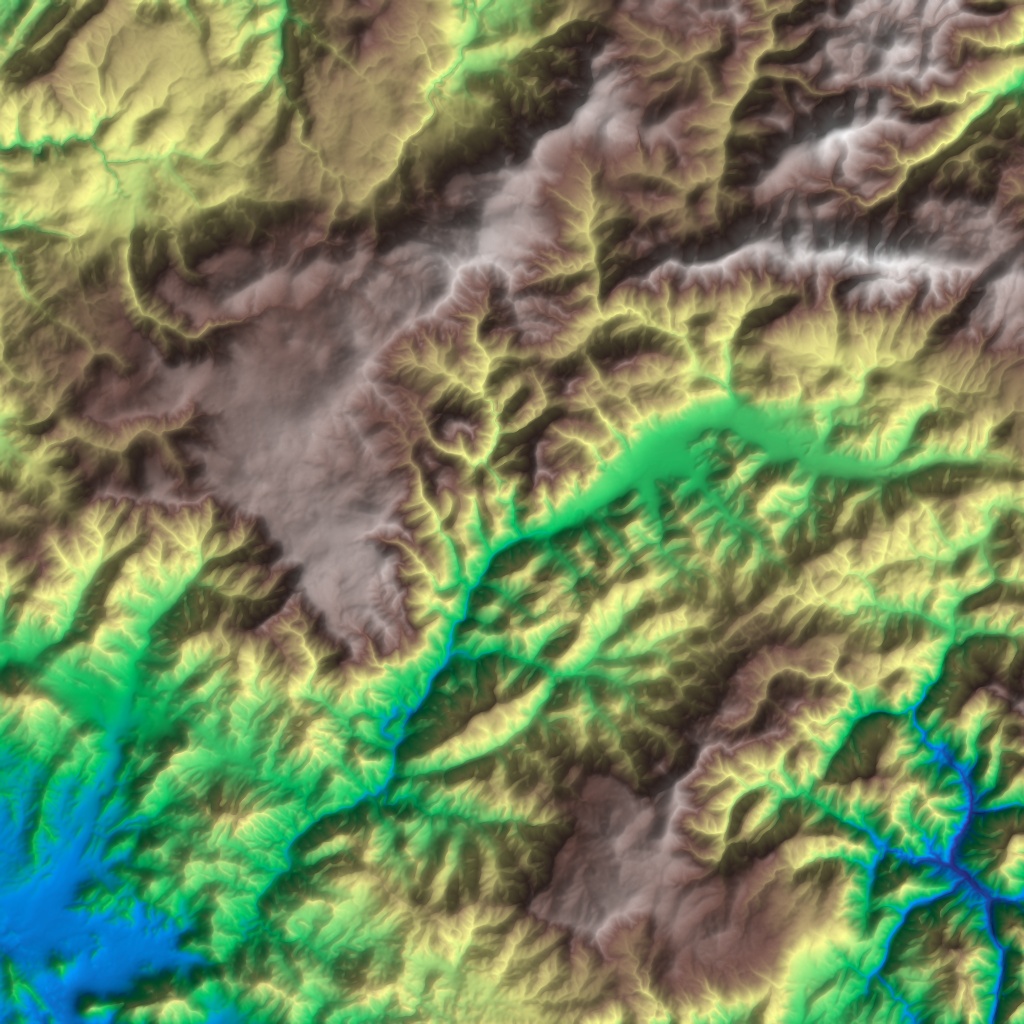
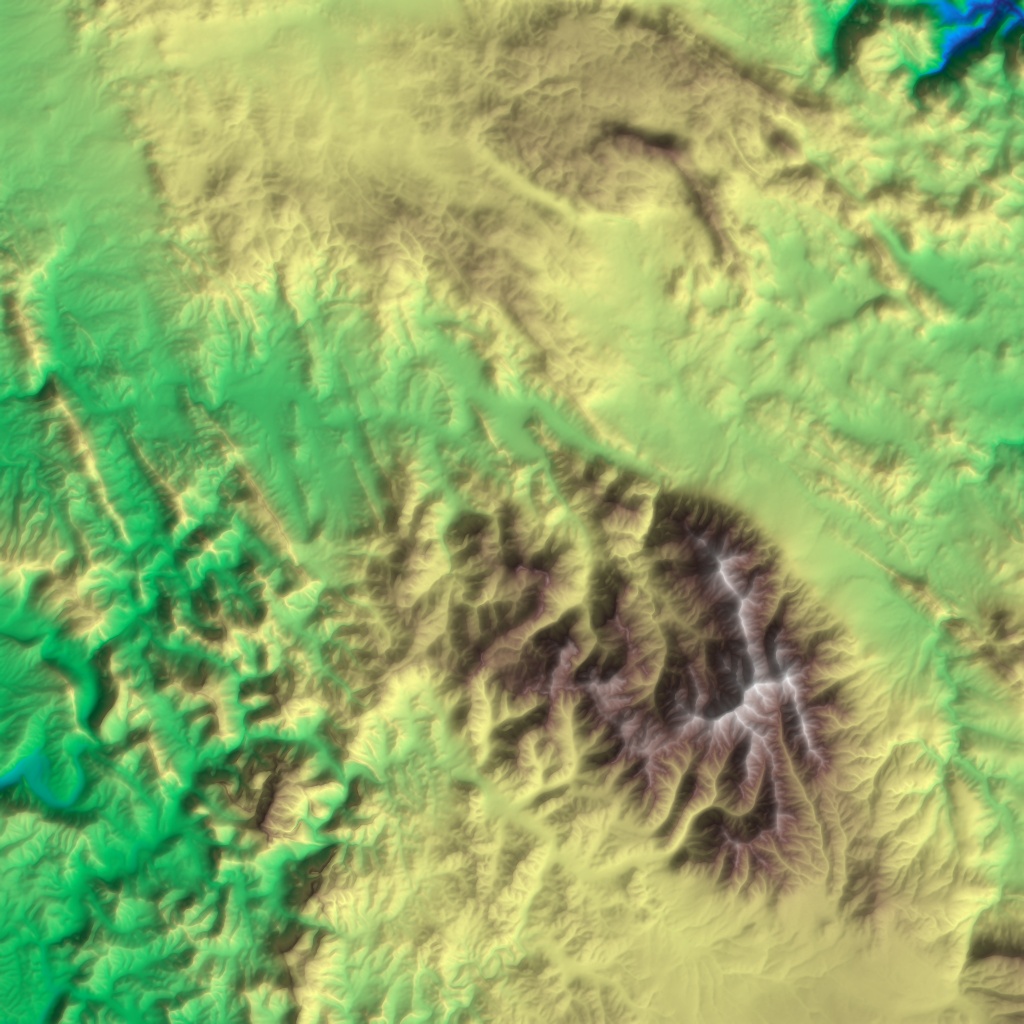
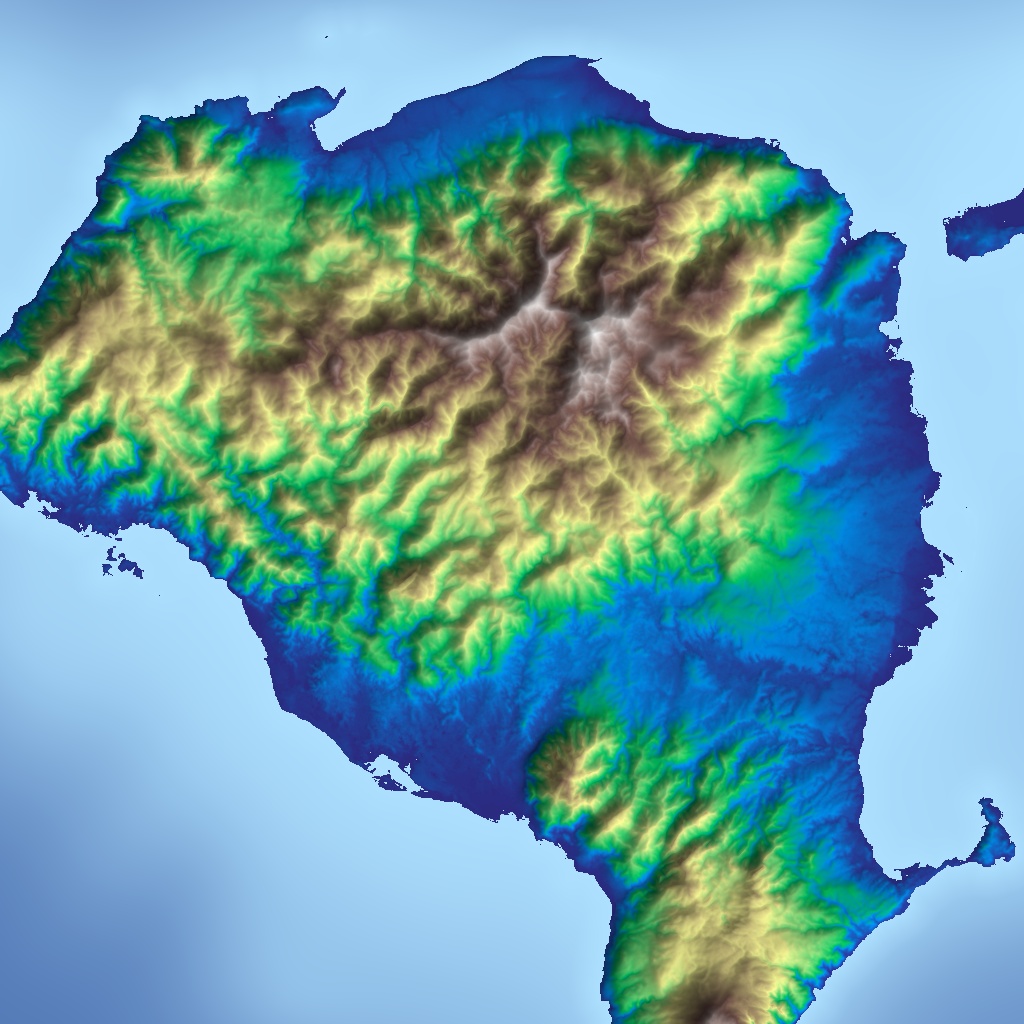
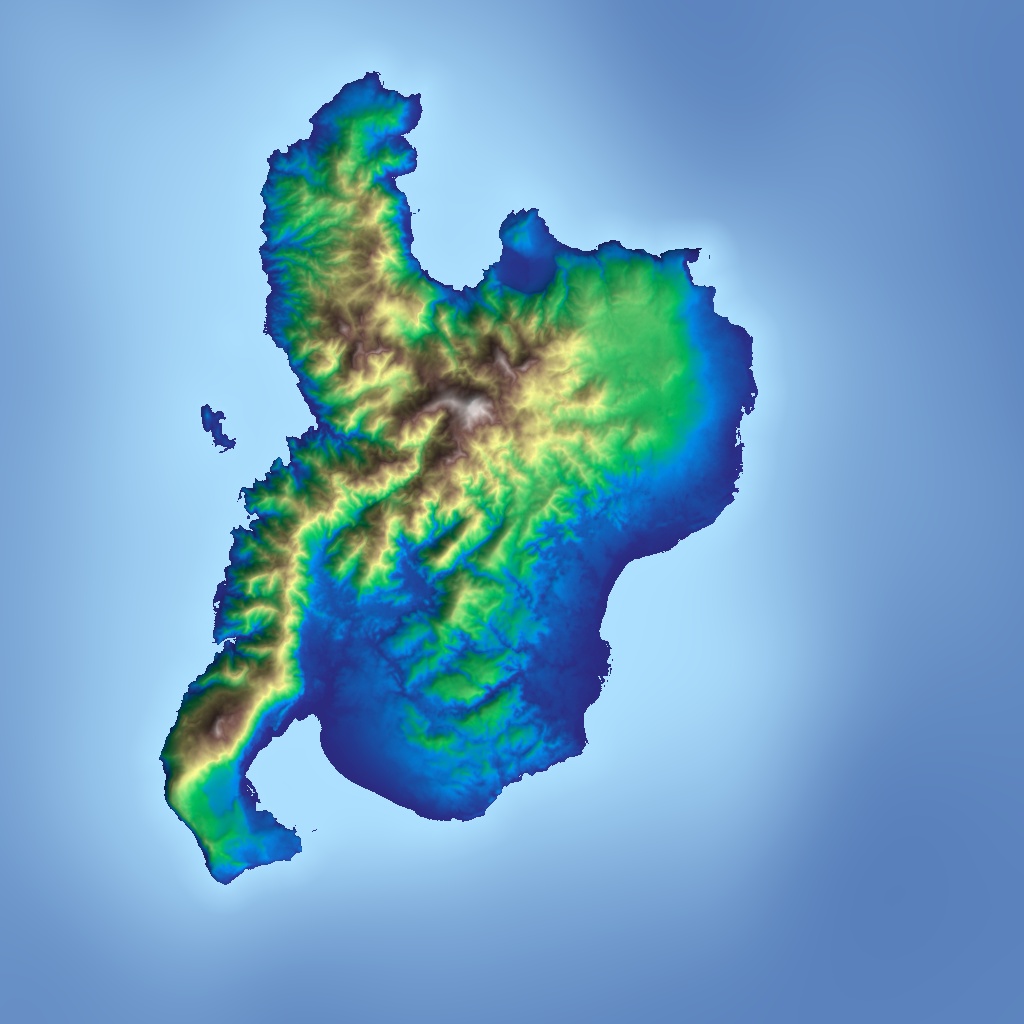
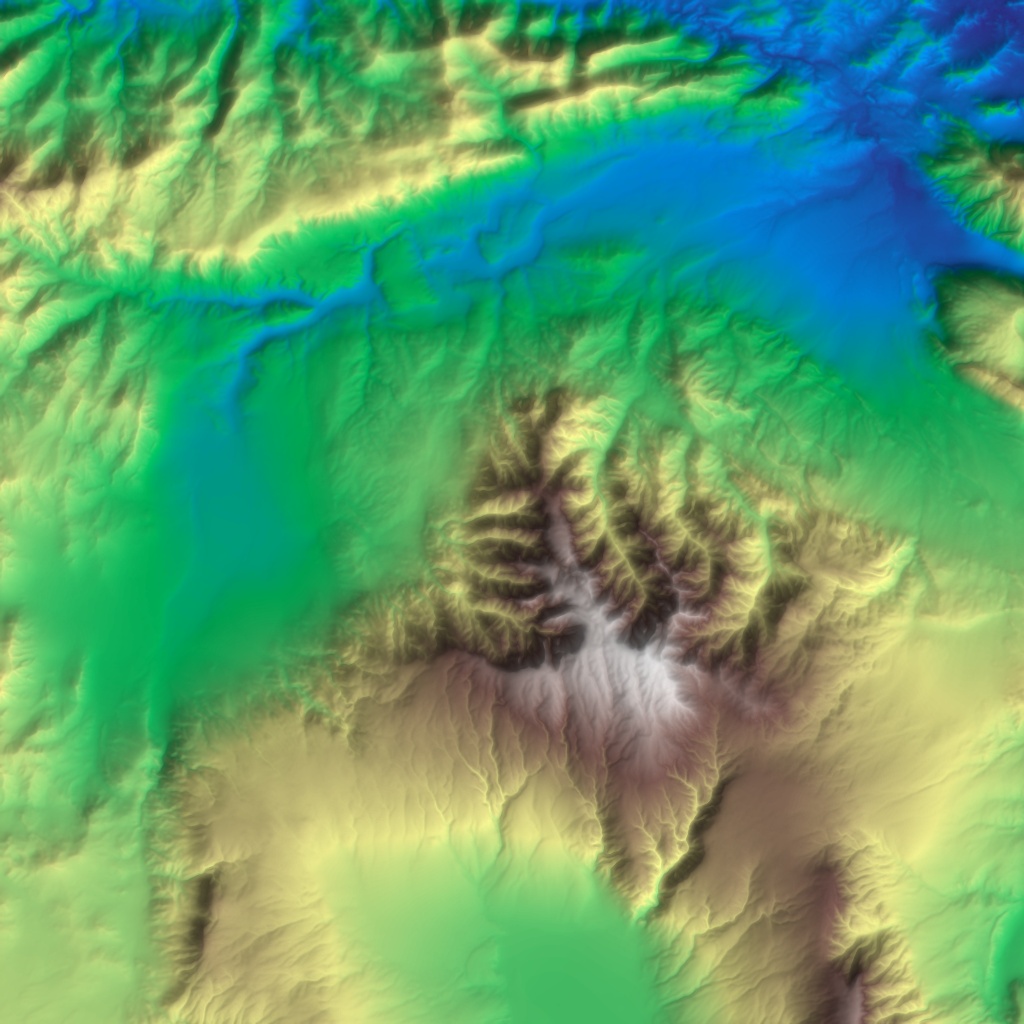
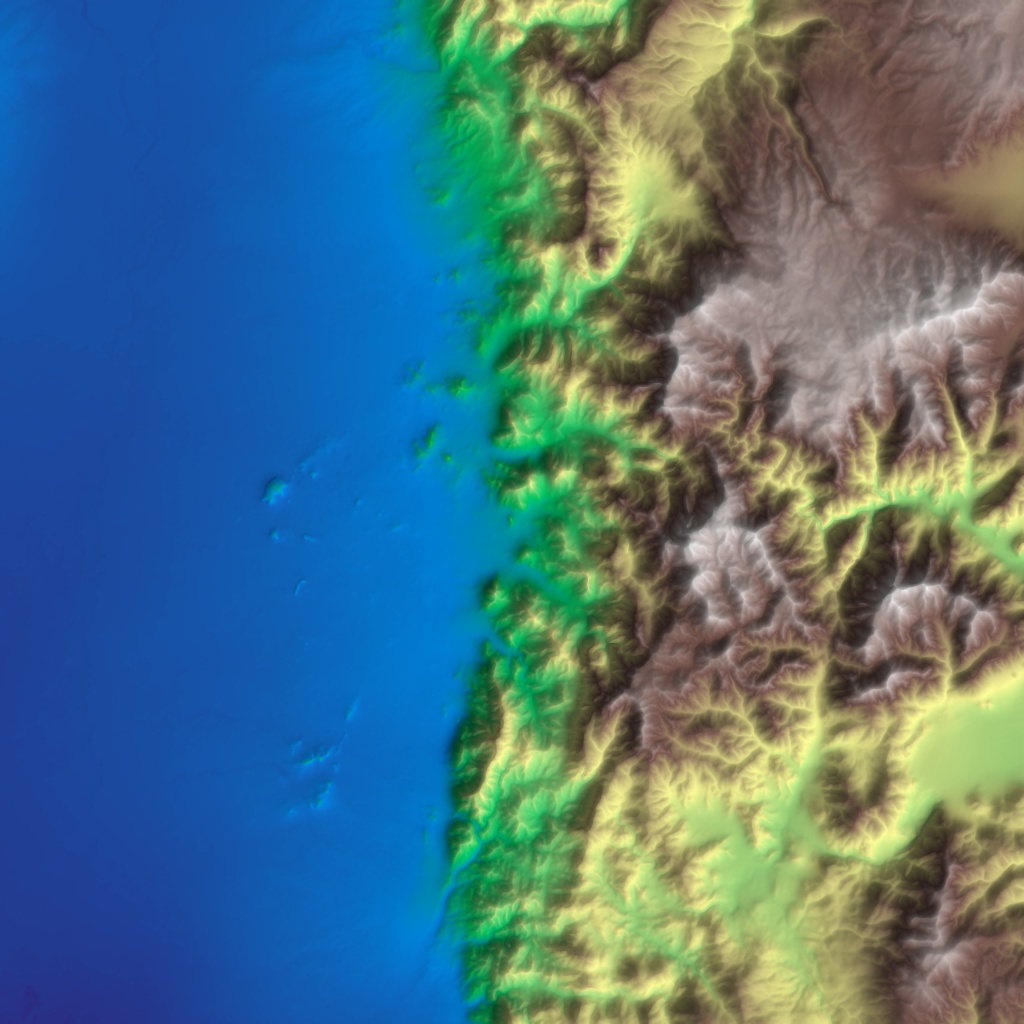
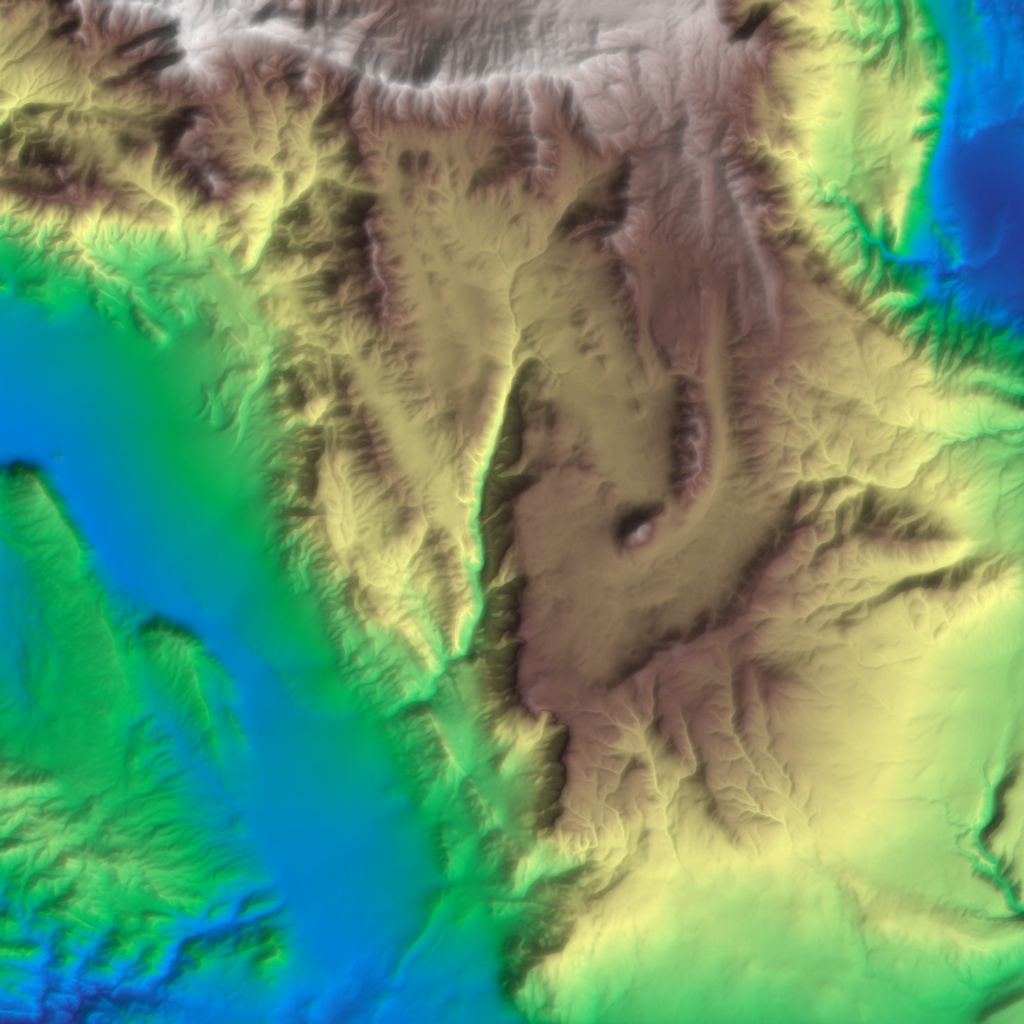
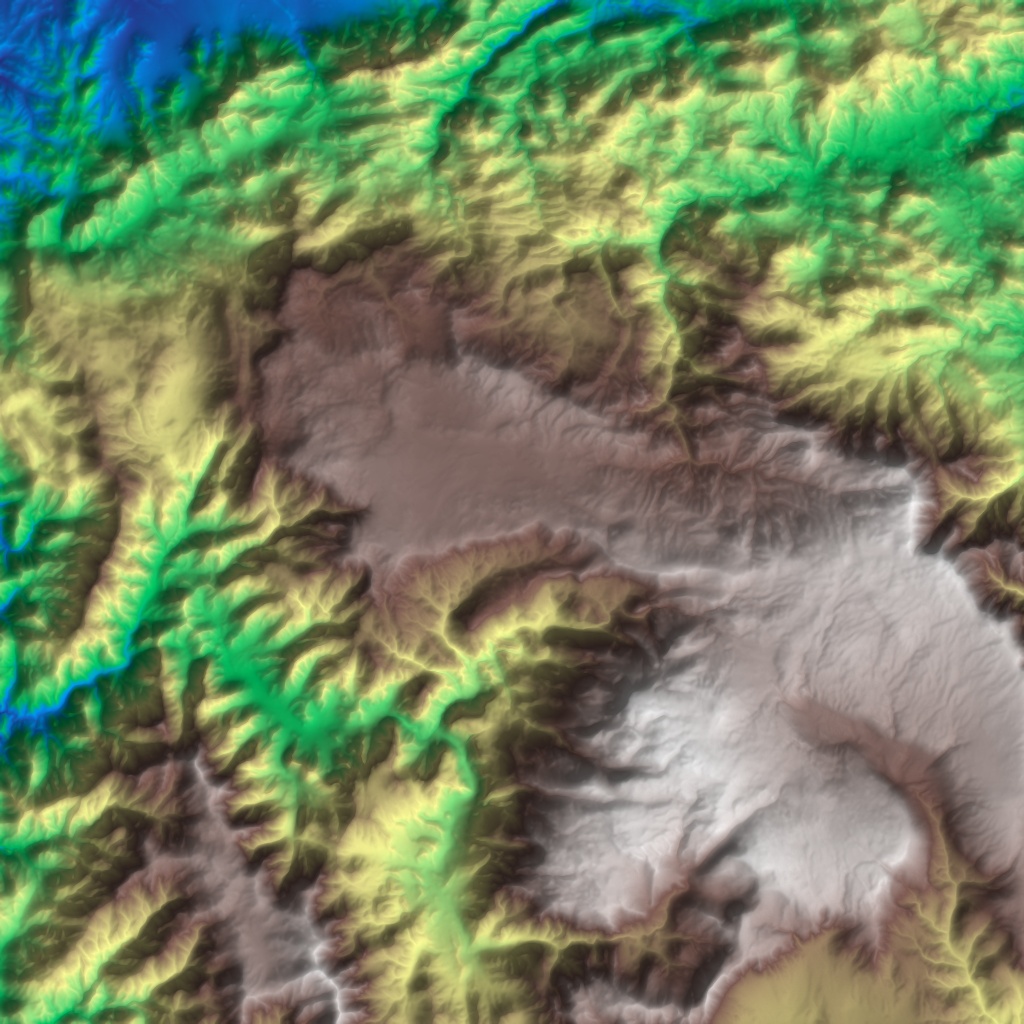
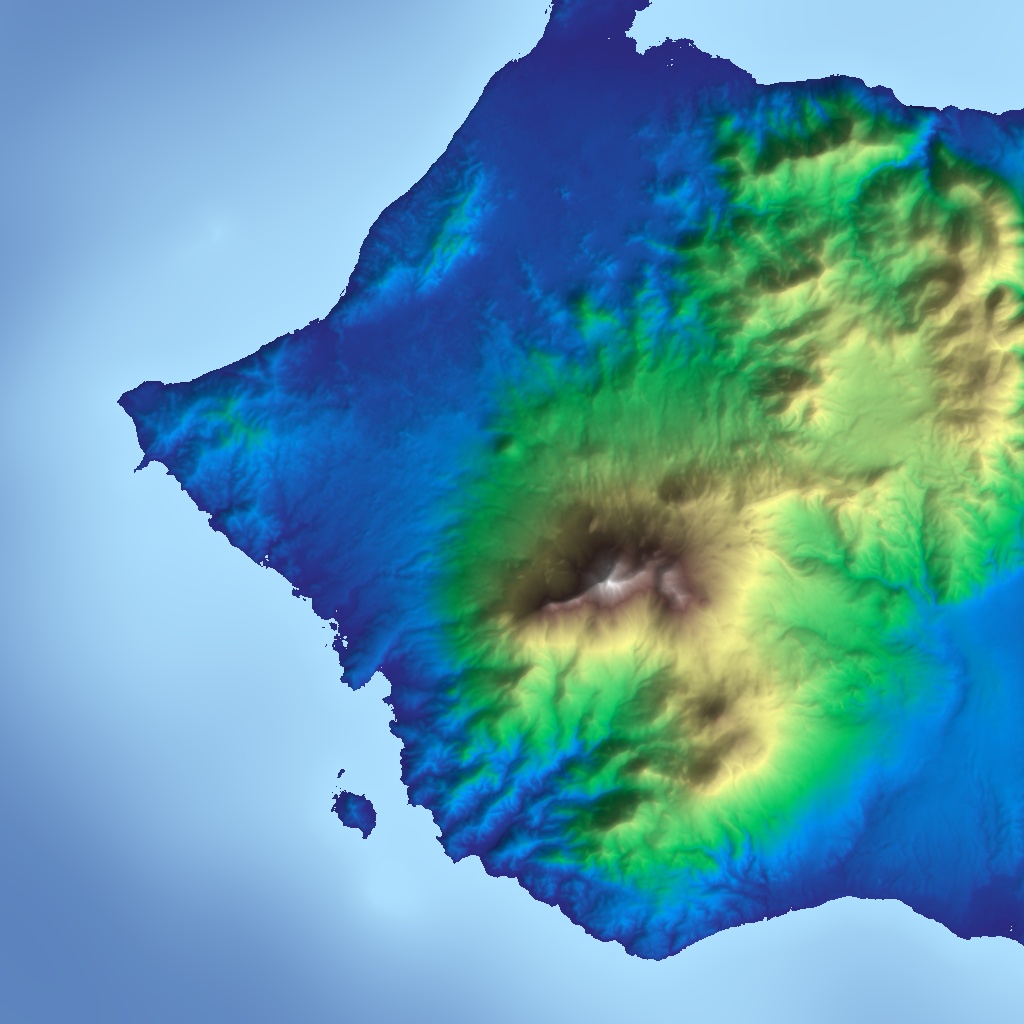
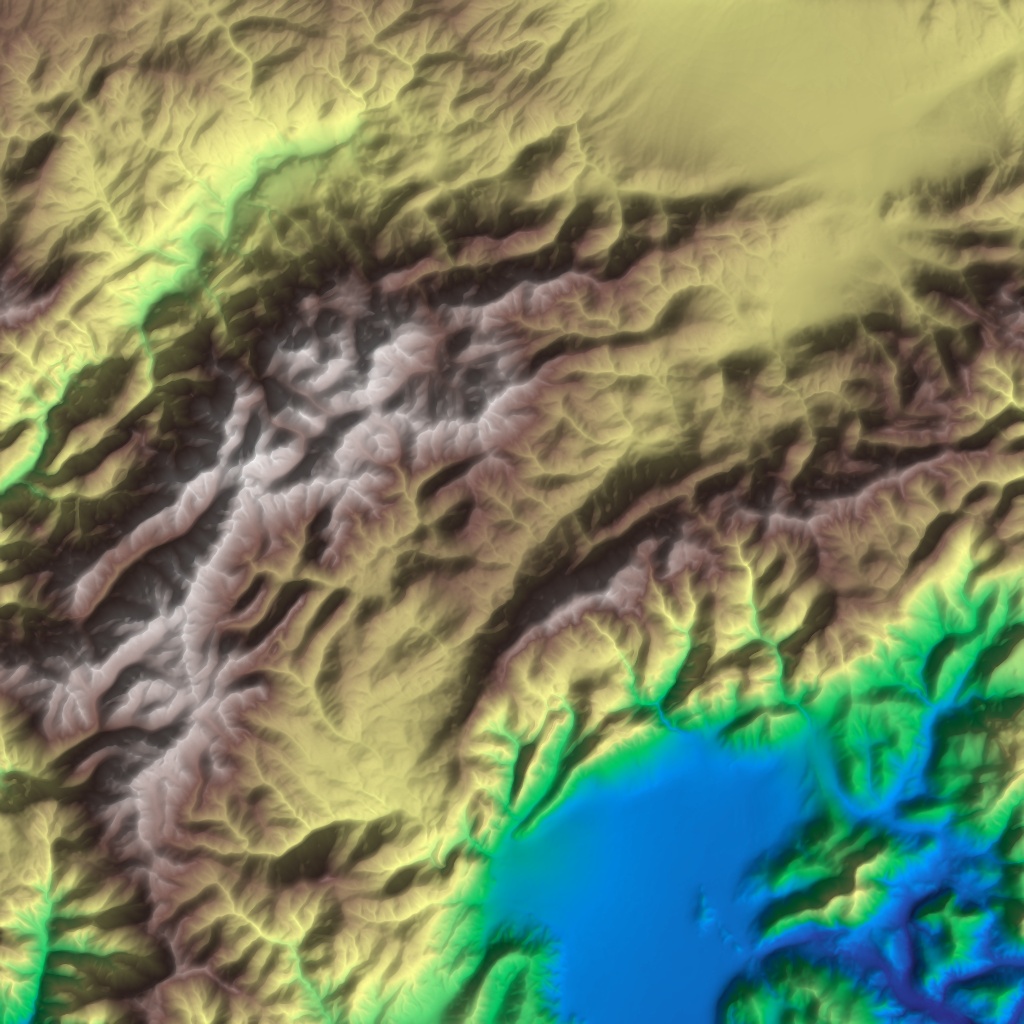
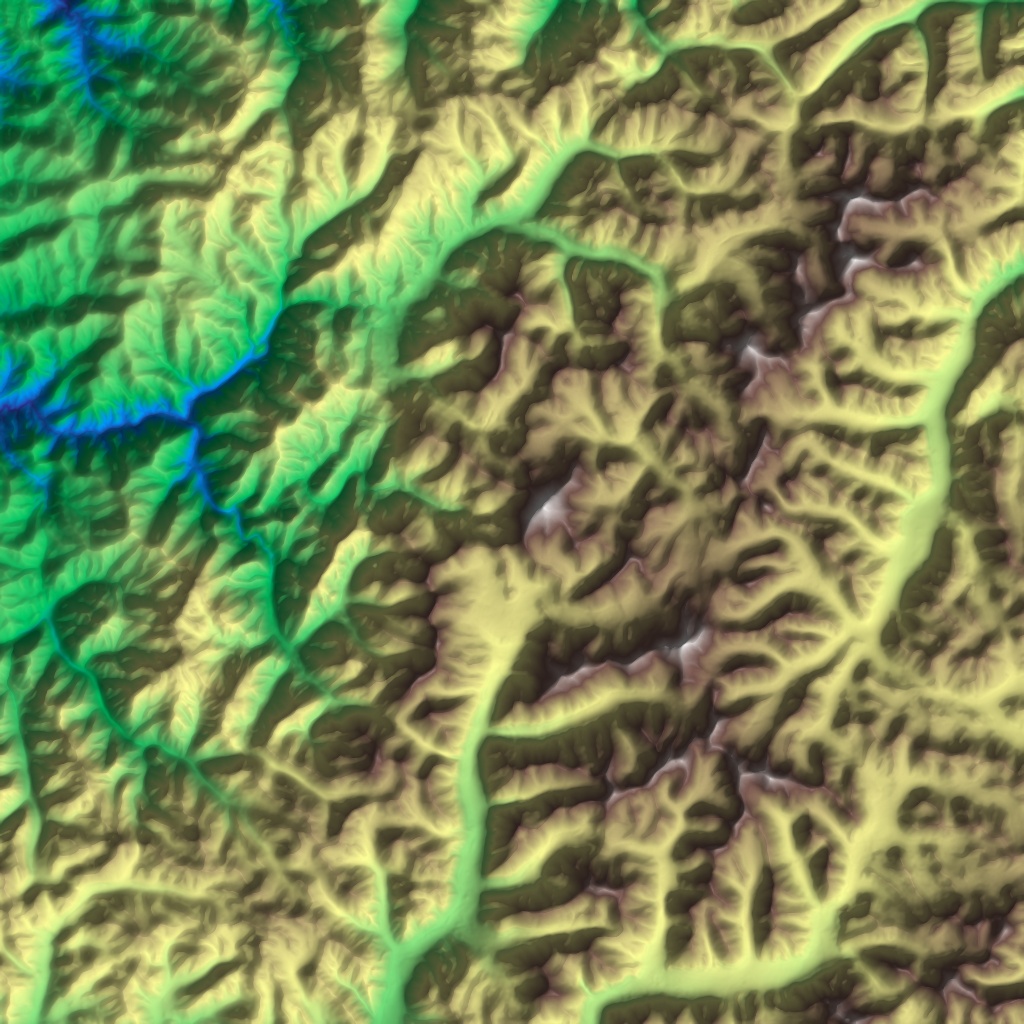
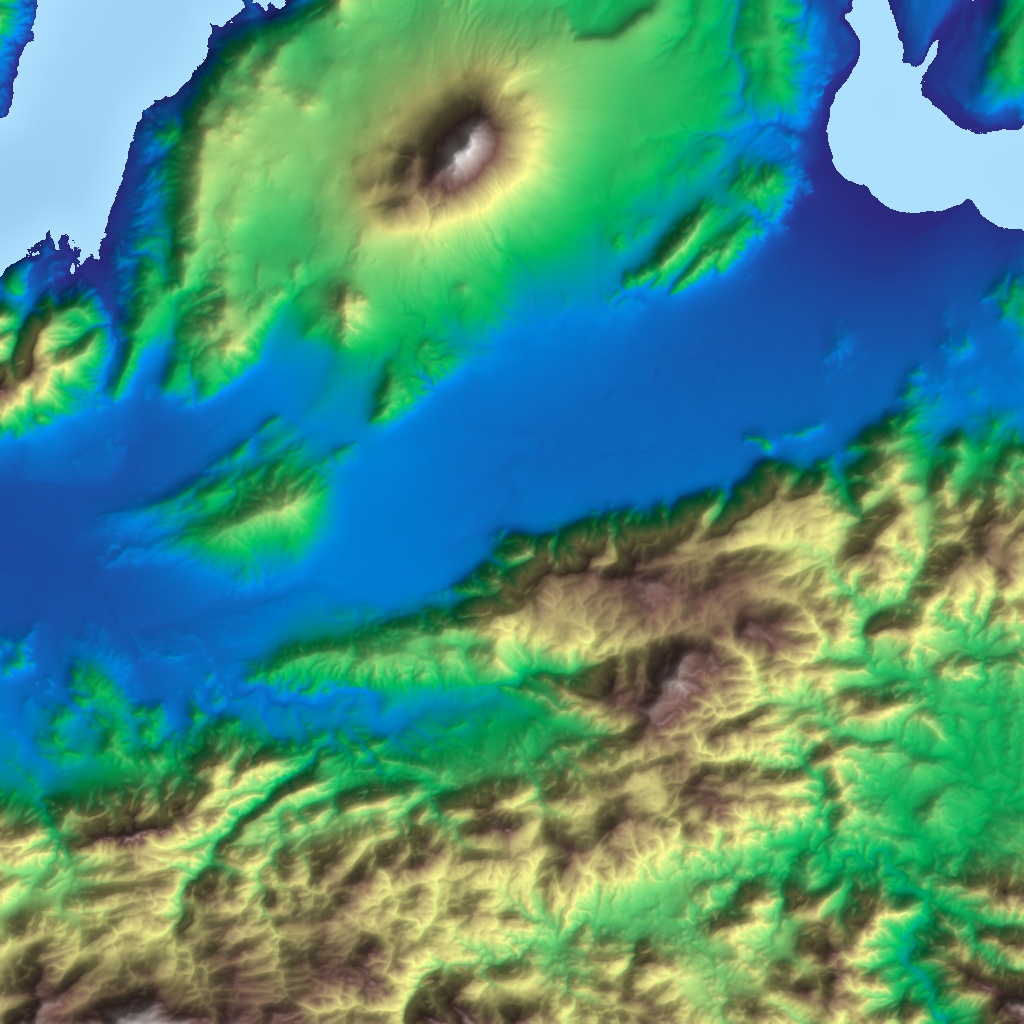
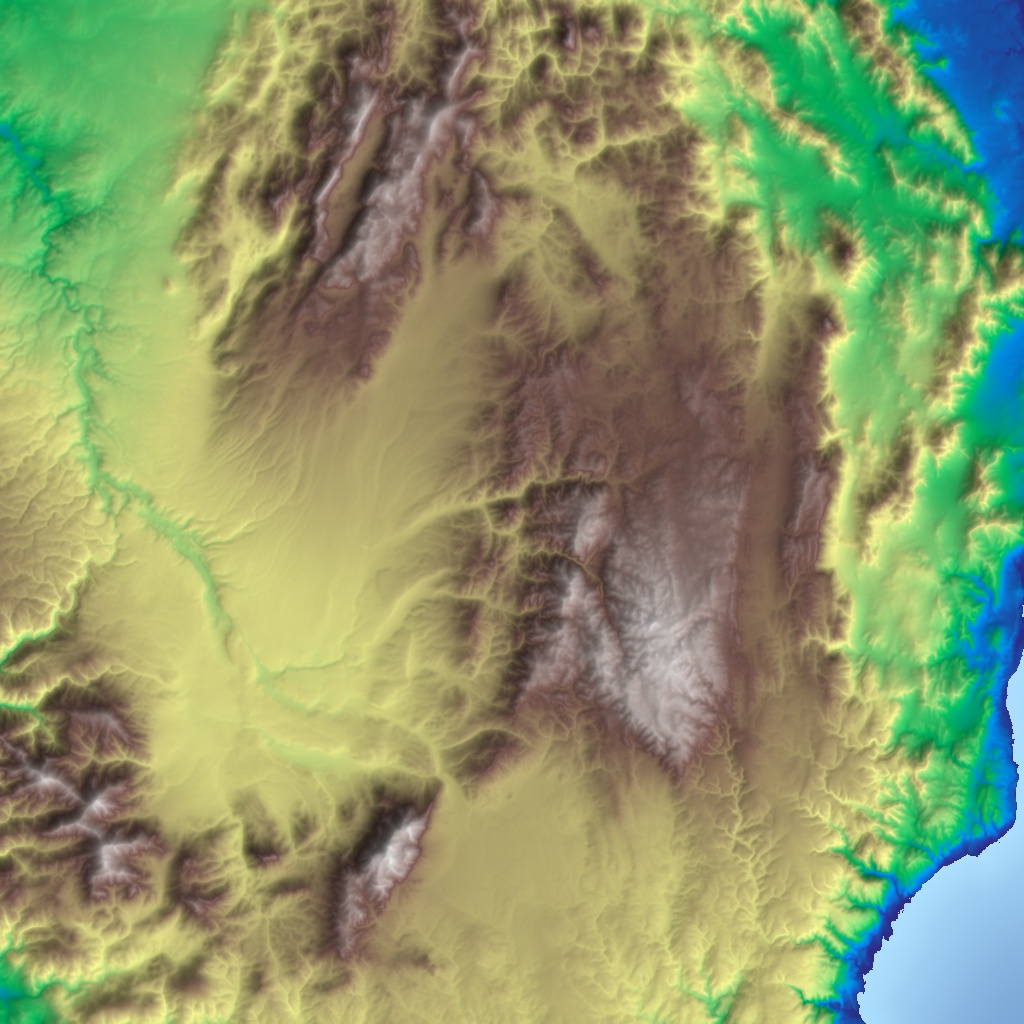
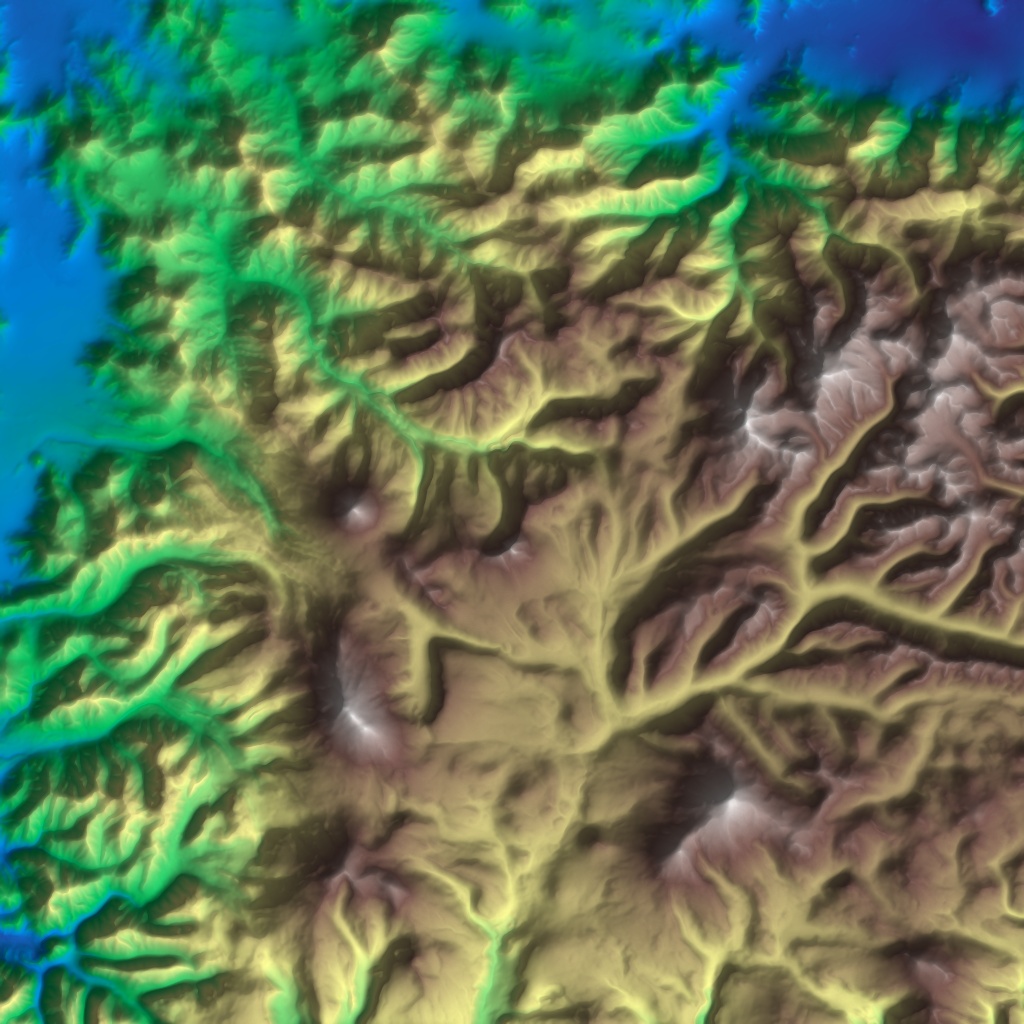
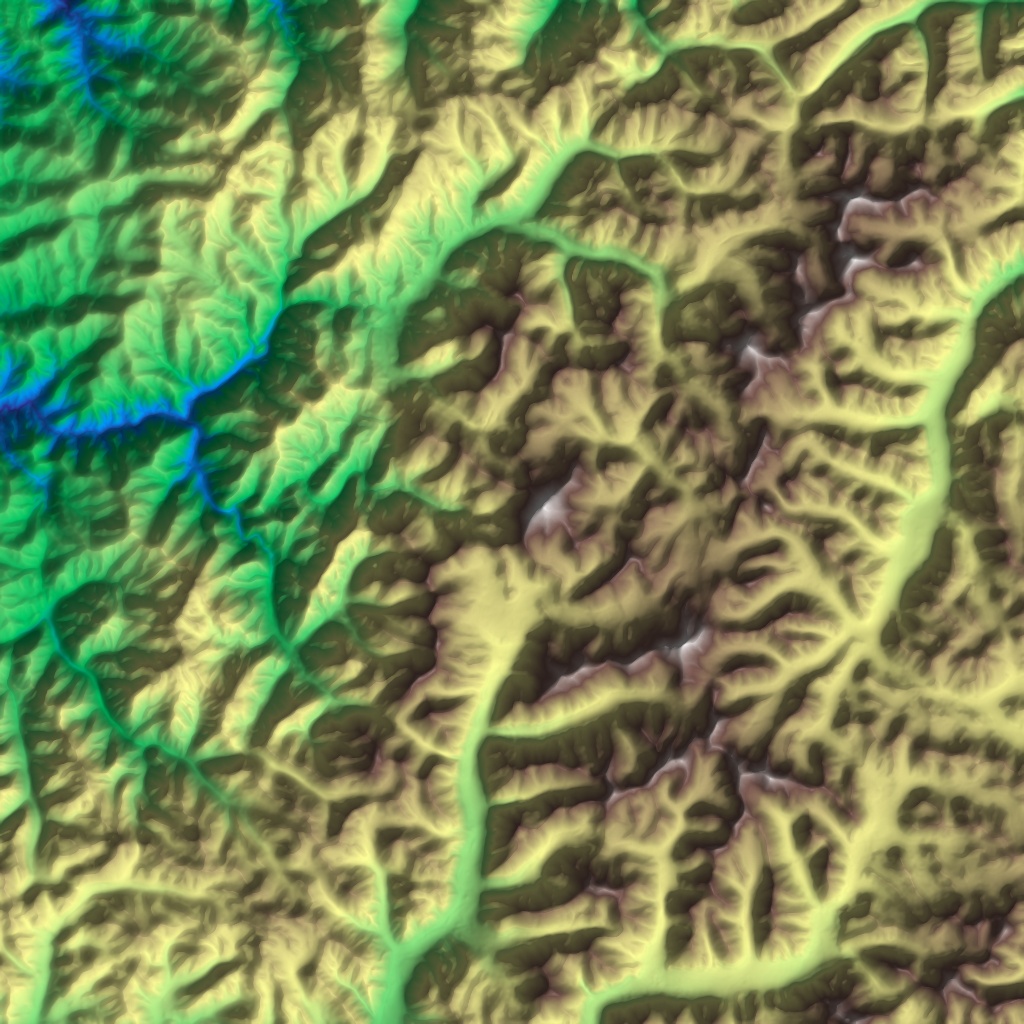
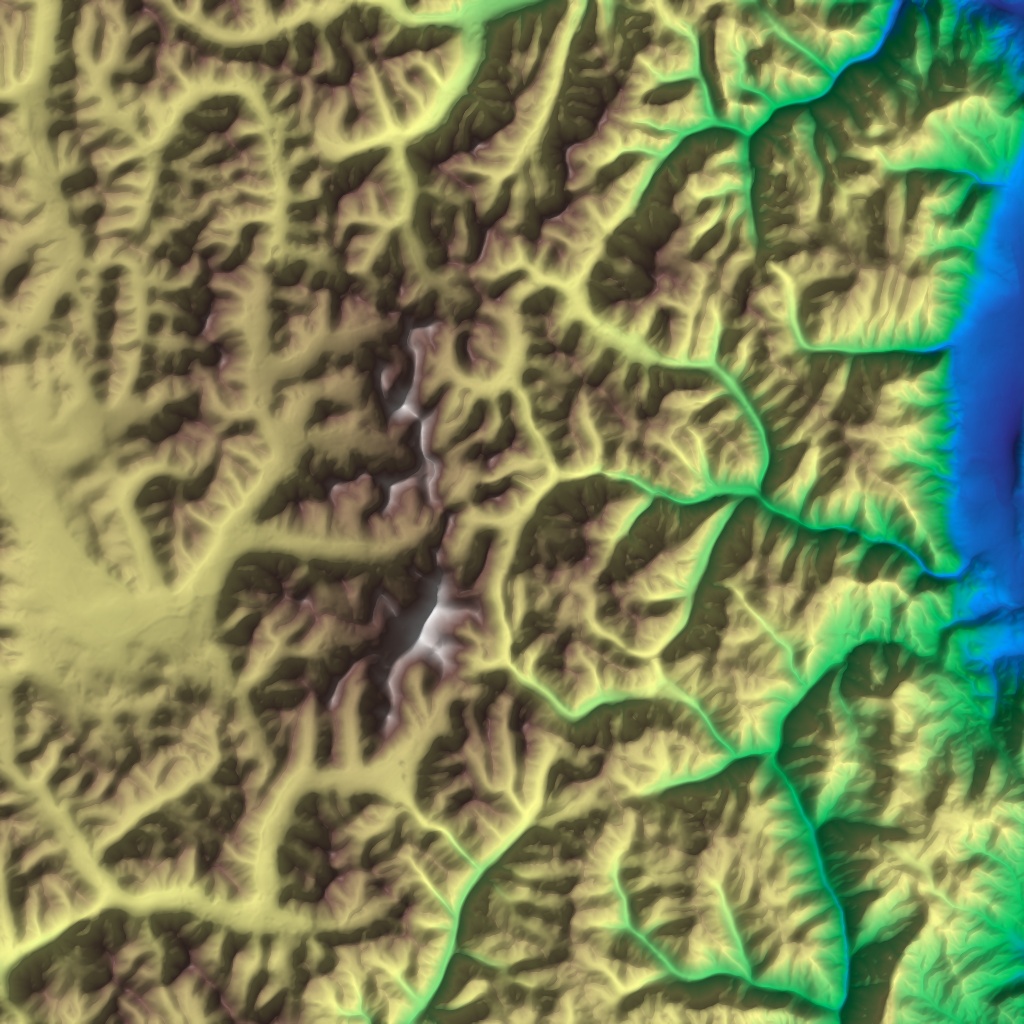
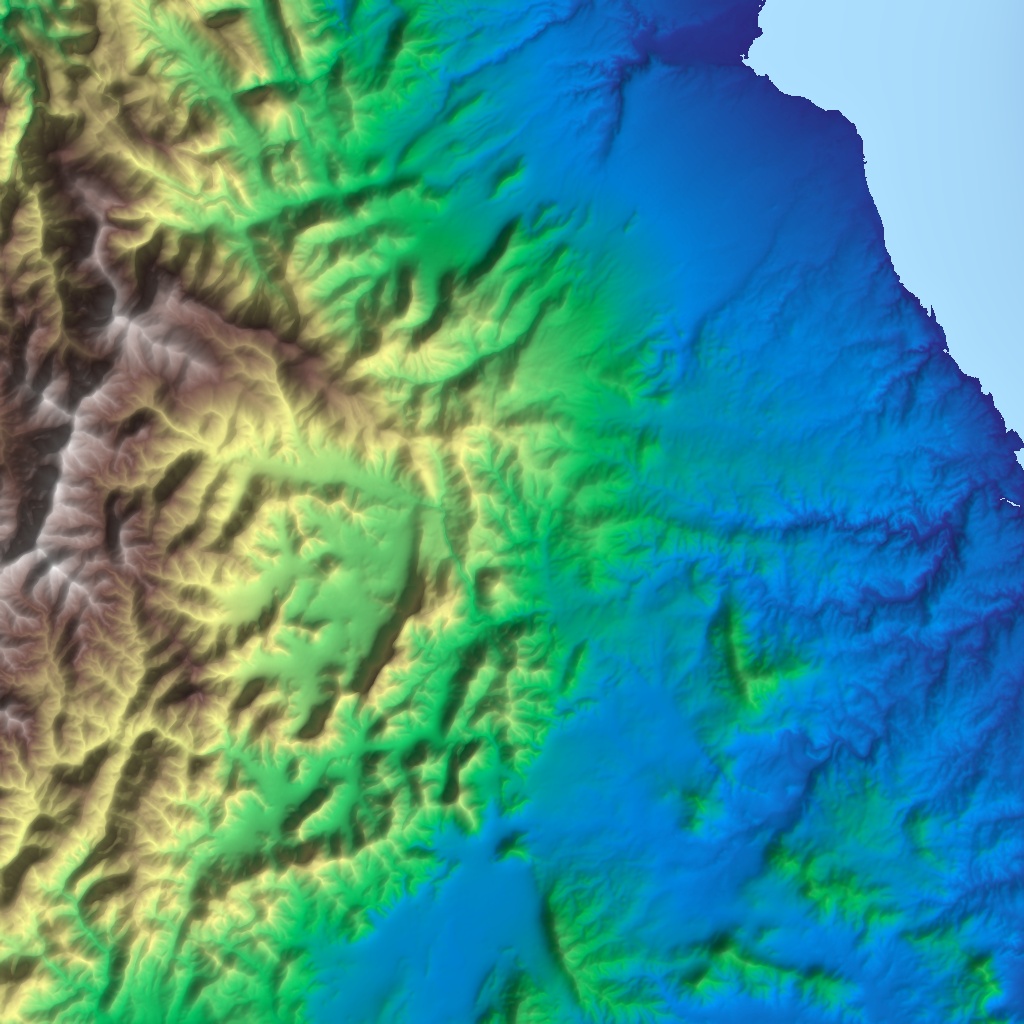
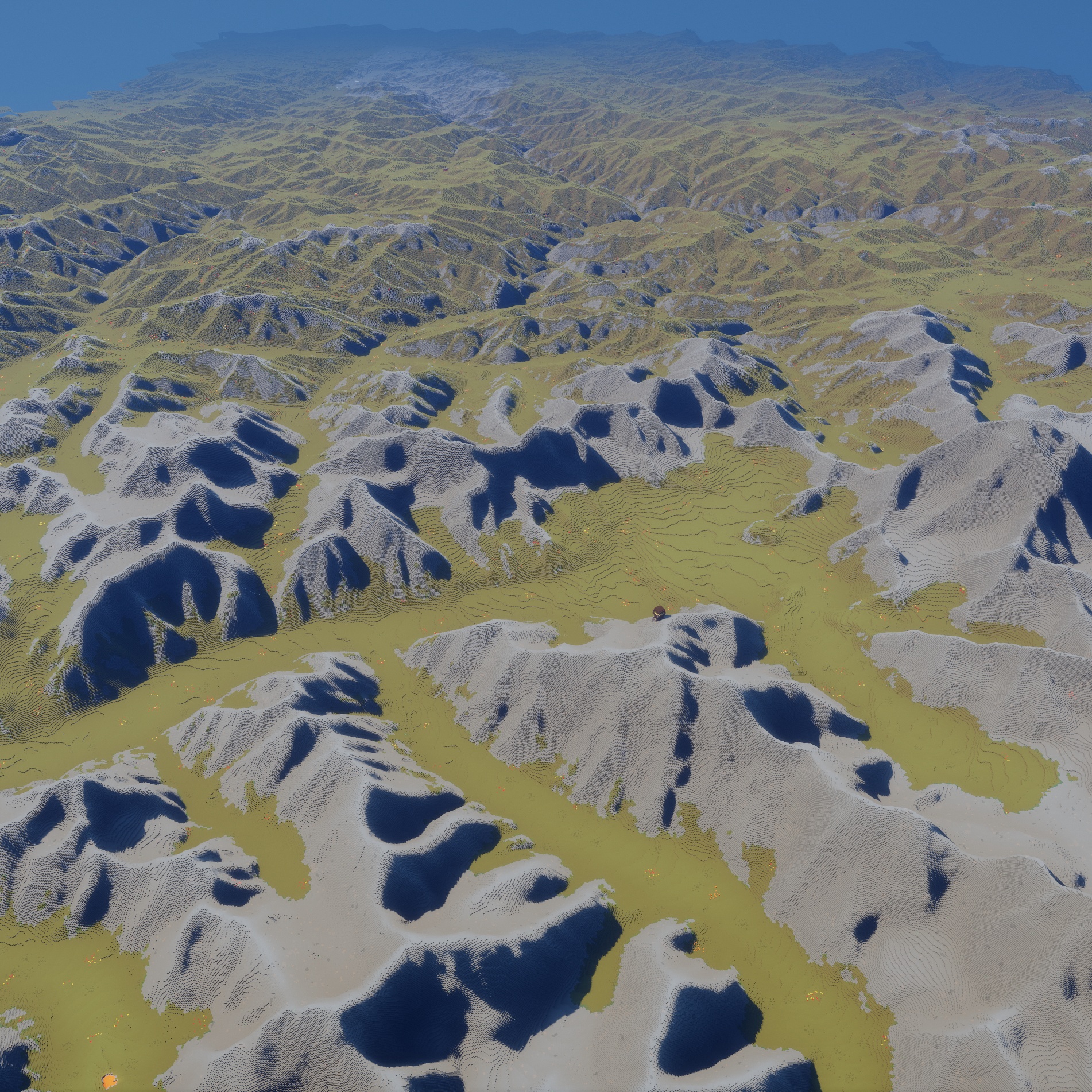
Terrain Diffusion is the first learned procedural terrain generator. I introduced a technique that enables diffusion models to generate outputs spanning massive dynamic ranges, from -10000m in the Mariana trench to nearly 9000m at Mt Everest, all in one world. But vertical scale alone is not enough. By utilizing a cascade of diffusion models, Terrain Diffusion generates features spanning hundreds of real-world kilometers, with continents spanning millions of square kilometers. Each 1024x1024 relief map of terrain below spans 100km in width. And it runs locally on consumer hardware.
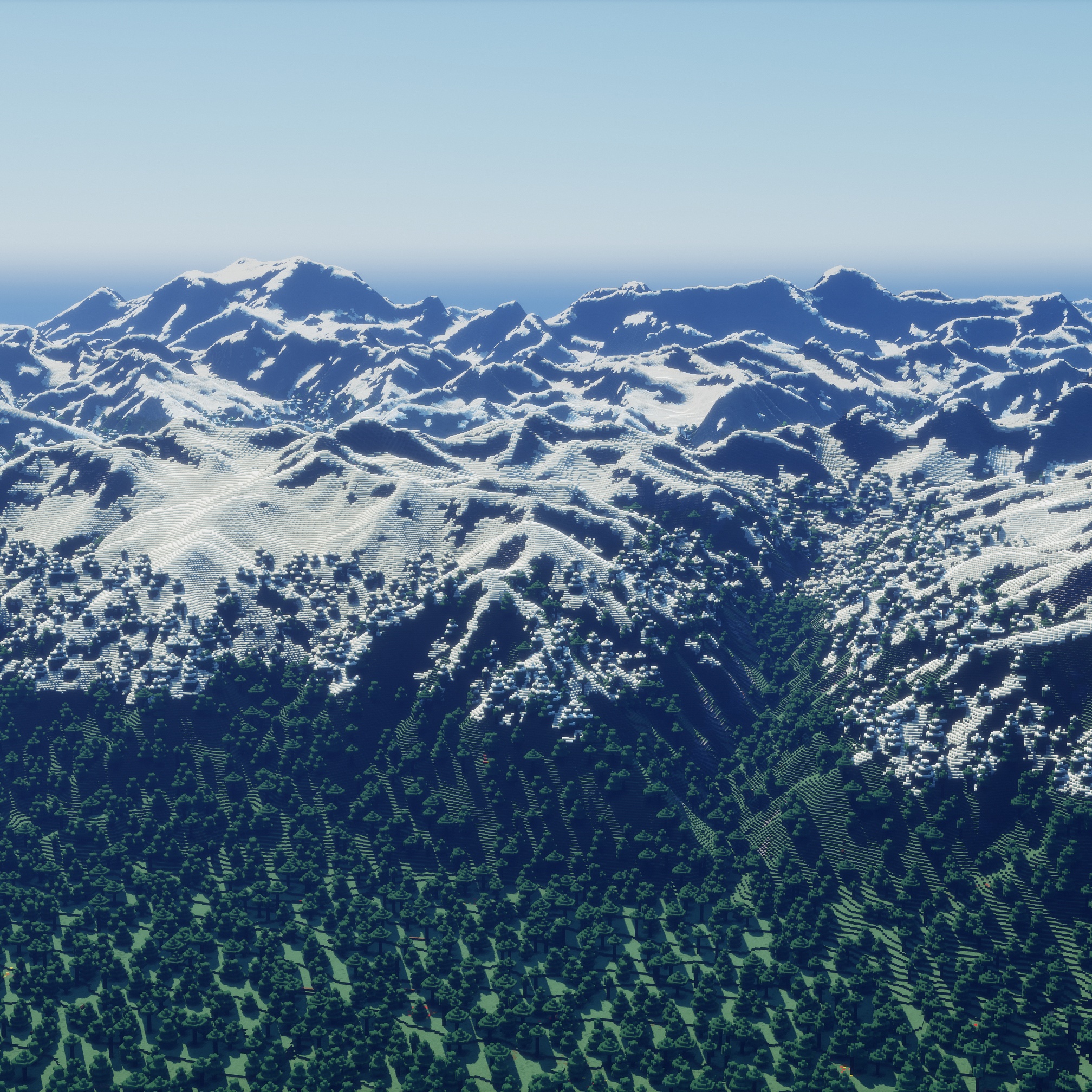
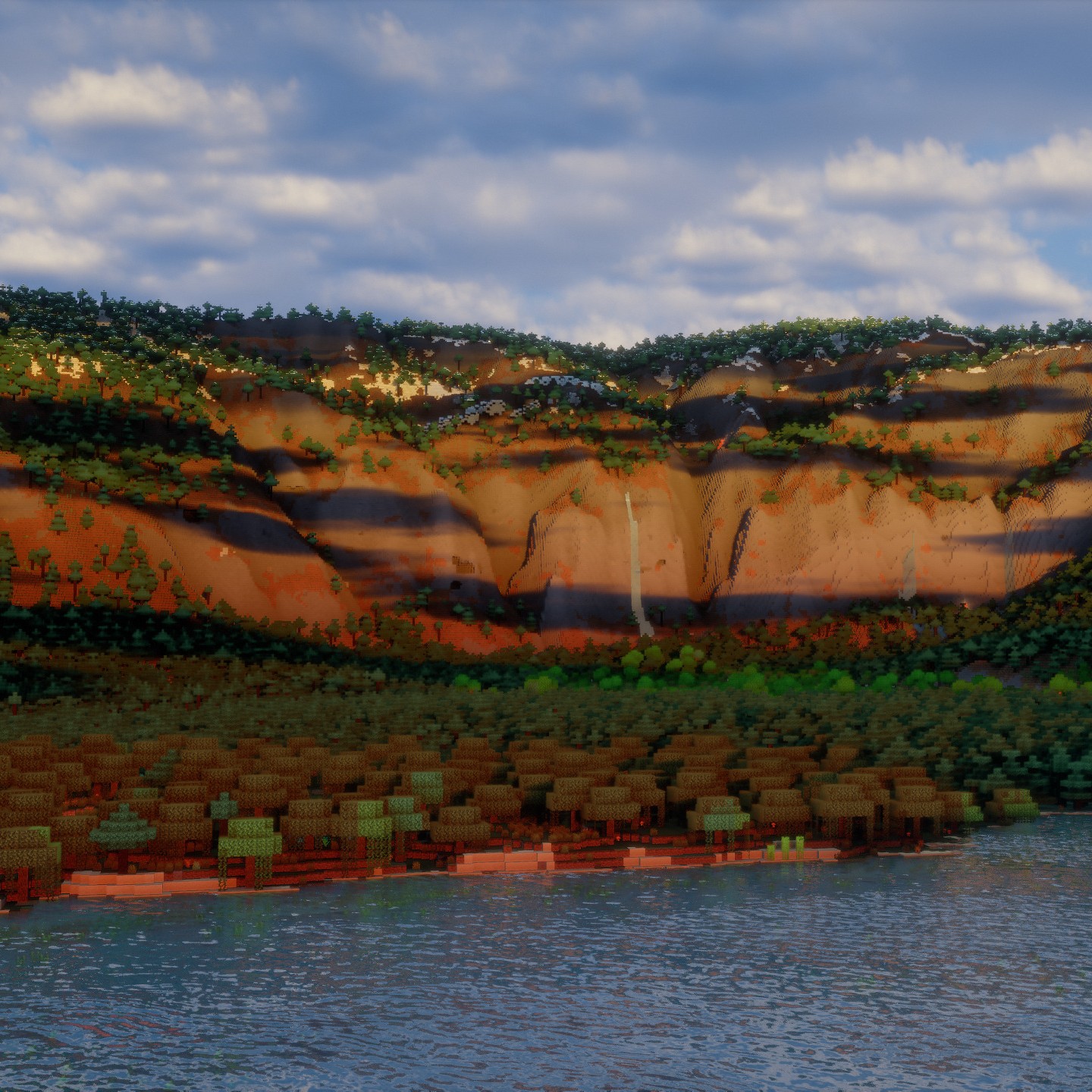
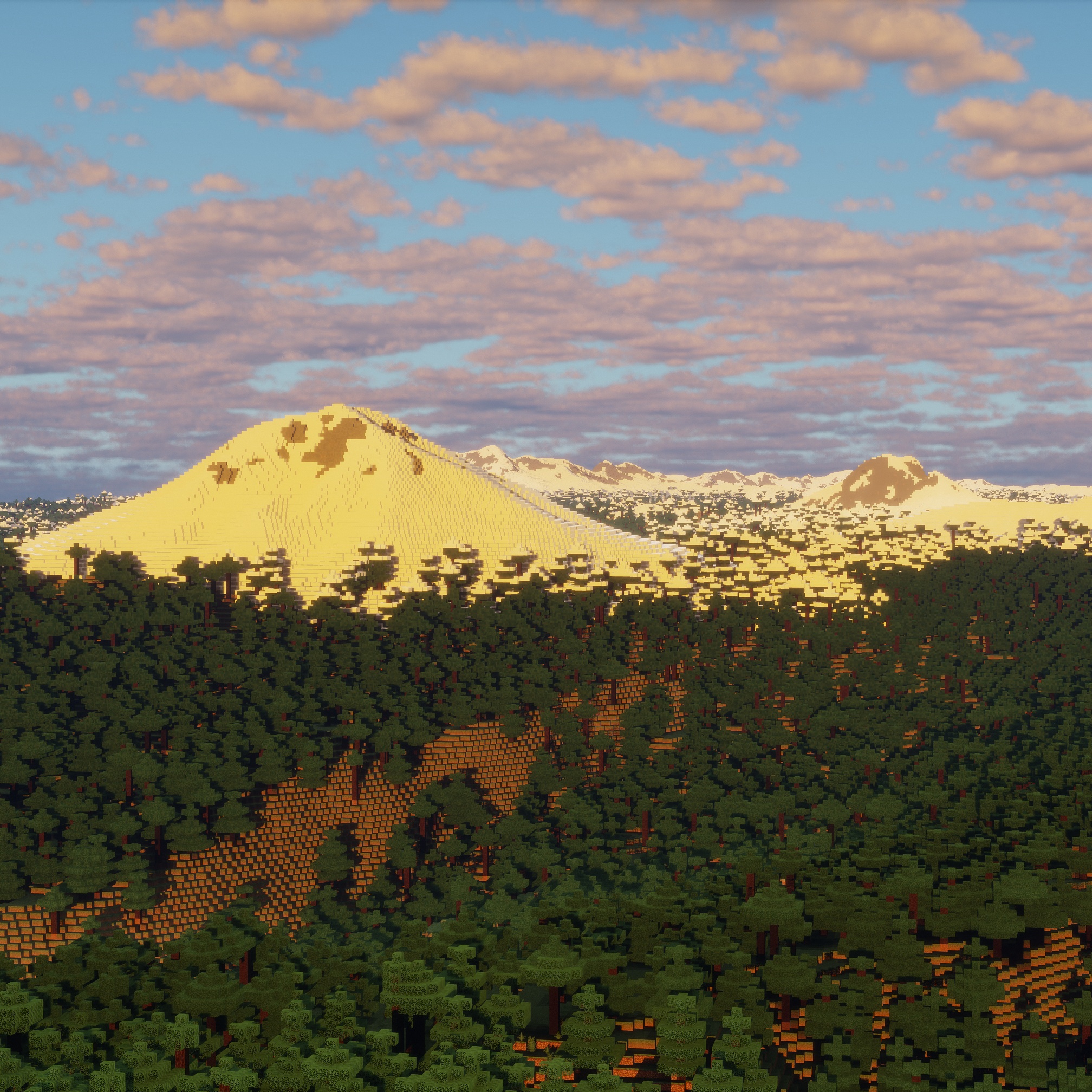
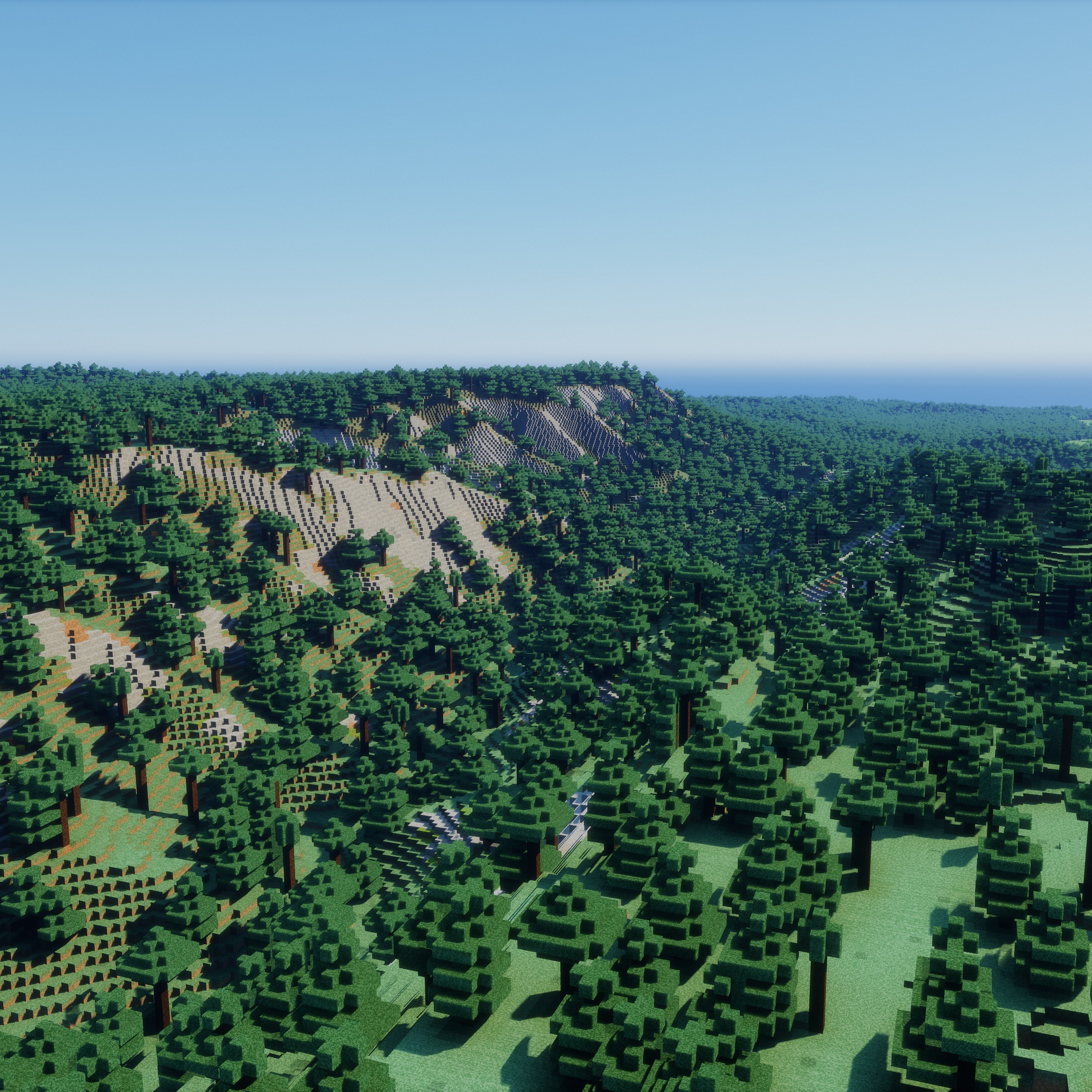
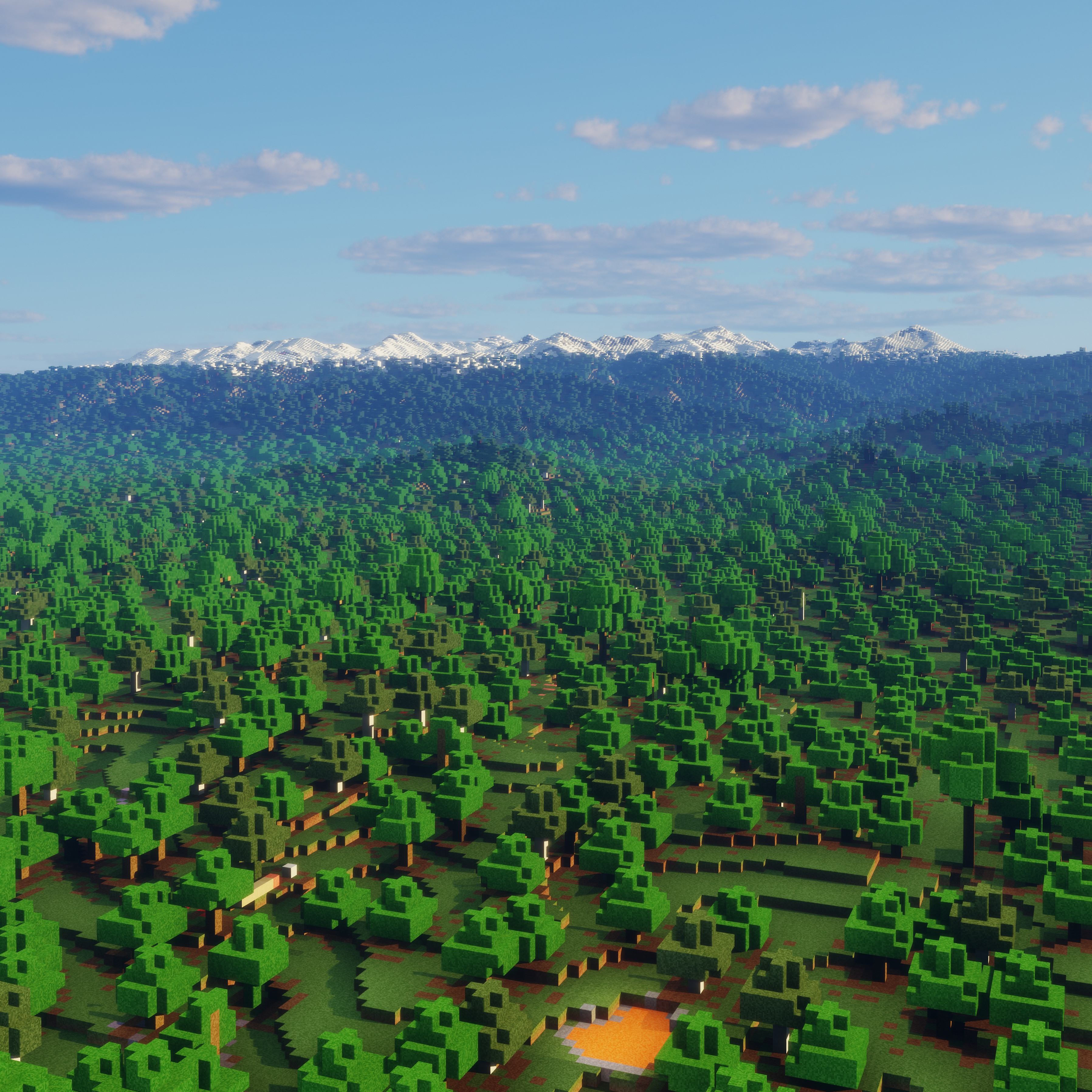
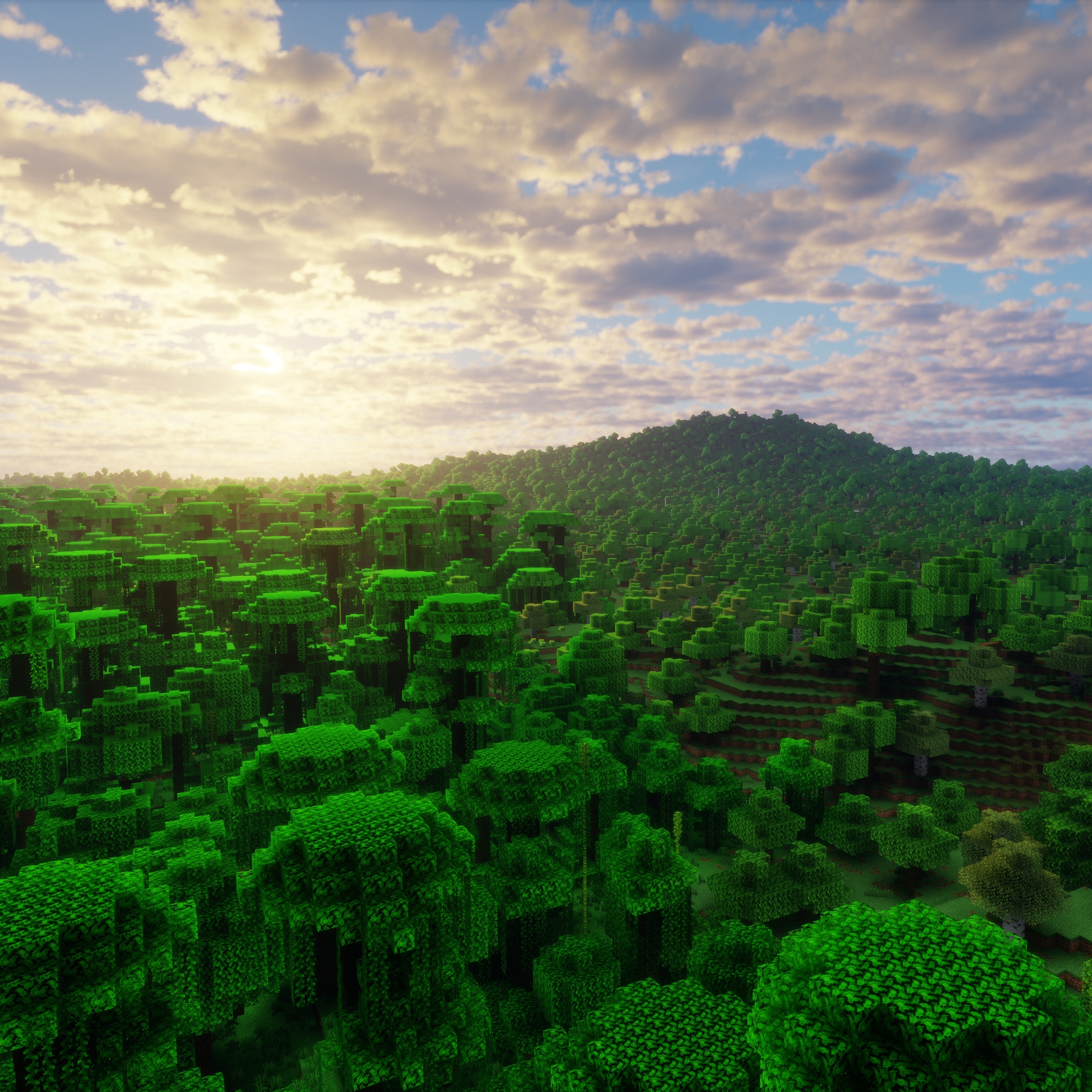
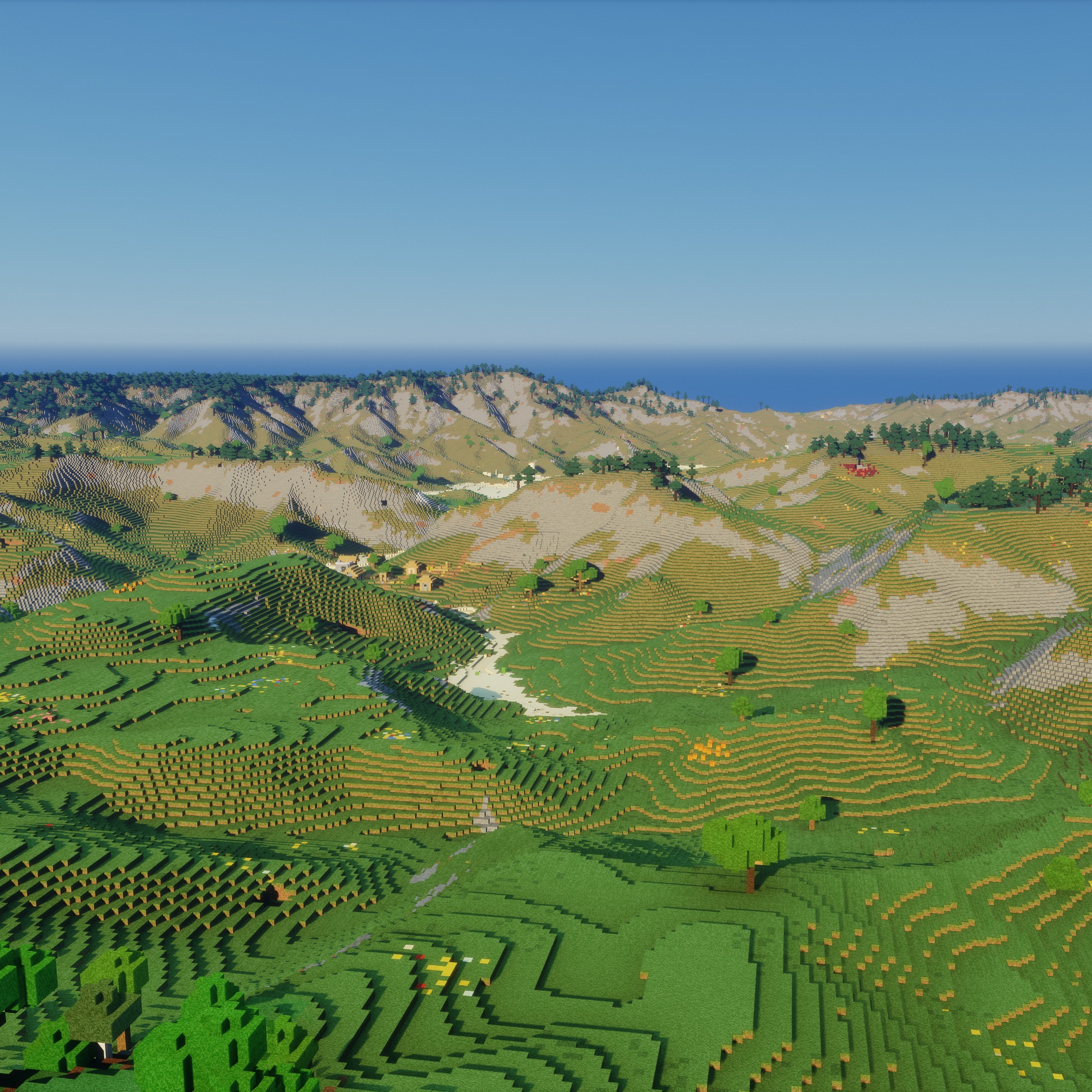
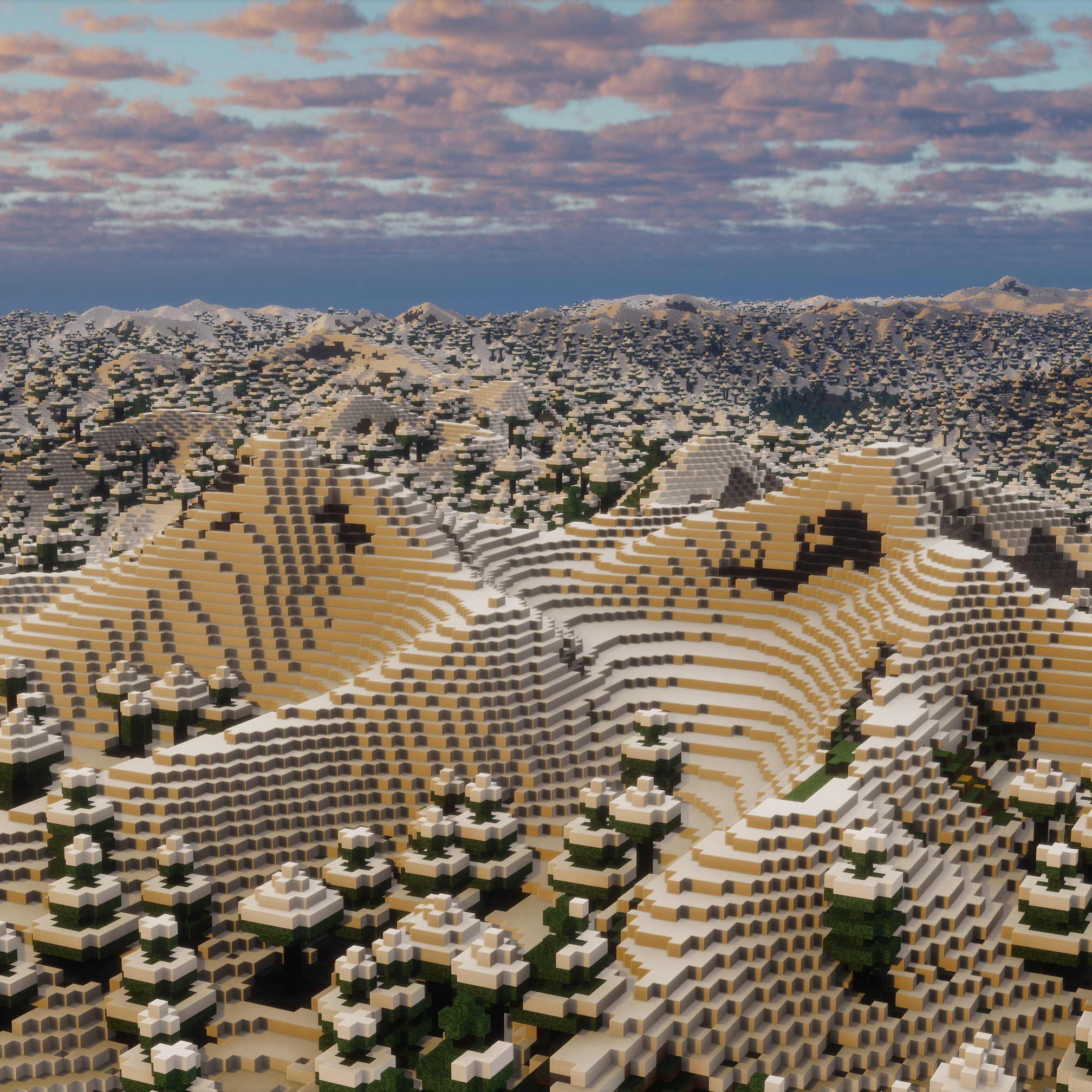
Built on InfiniteDiffusion, Terrain Diffusion inherits all of its properties: It's functionally stateless, trivially integrates into any game engine, and has almost no practical limitations. To demonstrate this, it was shipped as an open-source Minecraft mod with no external dependencies. Worlds can be shared by seed, players can teleport millions of miles instantly, and it runs in multiplayer. It is also demonstrated in Unity, where the player is able to comfortably fly around the world at 3 times orbital velocity on consumer hardware.
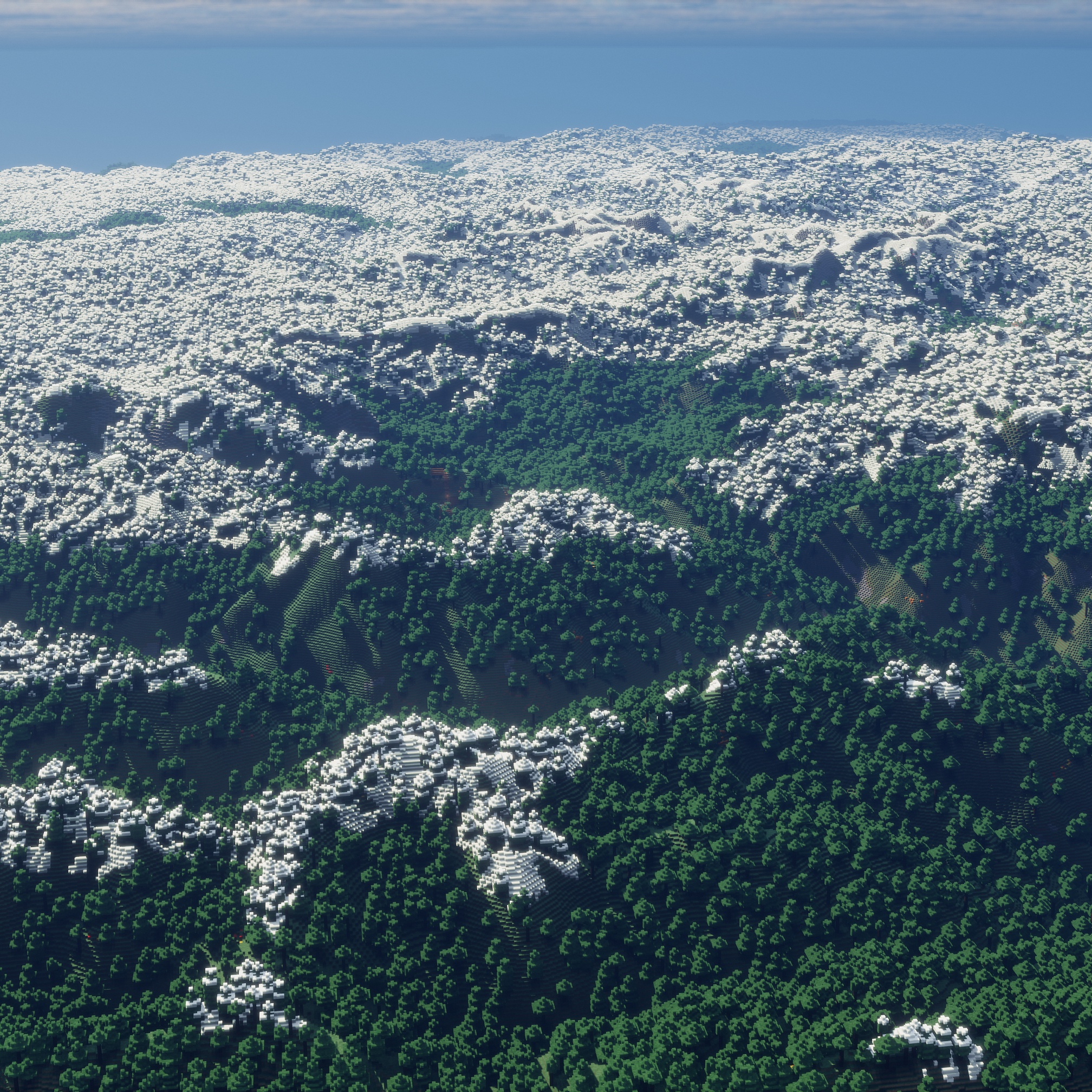
Technical Demo (Unity + Minecraft)
(Cinematic) Mod Showcase by AsianHalfSquat
Two Minute Papers Showcase!
      @inproceedings{goslin2026infinitediffusion,
        author    = {Goslin, Alexander},
        title     = {InfiniteDiffusion: Bridging Learned Fidelity and Procedural Utility for Open-World Terrain Generation},
        booktitle = {Special Interest Group on Computer Graphics and Interactive Techniques Conference Conference Papers},
        year      = {2026},
        pages     = {10 pages},
        publisher = {ACM},
        address   = {New York, NY, USA},
        doi       = {10.1145/3799902.3811080},
        url       = {https://doi.org/10.1145/3799902.3811080},
        series    = {SIGGRAPH Conference Papers '26}
      }